Wondering whether a Seaside cottage or a condo-style residence fits your 30A lifestyle better? In Seaside, that choice is less about walkability and more about how you want to live once you get home. If you are weighing privacy, space, convenience, and upkeep, this guide will help you compare both options with more clarity. Let’s dive in.
Why Seaside makes this choice unique
Seaside was designed as a compact, walkable town centered around Central Square, brick streets, and white-sand footpaths. According to the town, shopping and dining are within a five-minute walk of all residences, and beach access points are spread throughout town so most guests can reach the Gulf within a short walk.
That design changes the usual real estate comparison. In many beach markets, buyers are deciding whether they want to be close to restaurants or close to the beach. In Seaside, both cottages and condo-style units can offer easy access to town and the shoreline, so the real decision usually comes down to privacy versus immediacy, and space versus simplicity.
Seaside also positions itself as a community with more than 300 homes, restaurants, shops, and galleries. The town’s character emphasizes walking, biking, and shared outdoor living, which means either property type can work well depending on your goals.
What a Seaside cottage offers
More space and privacy
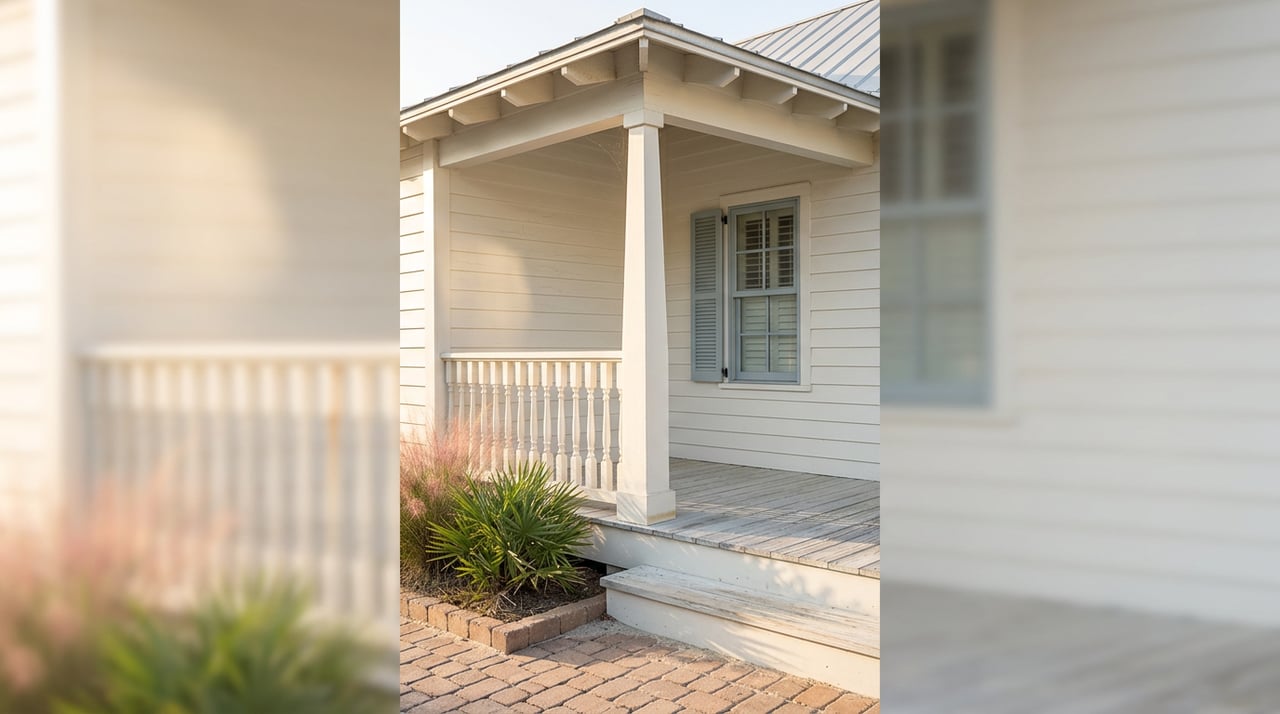
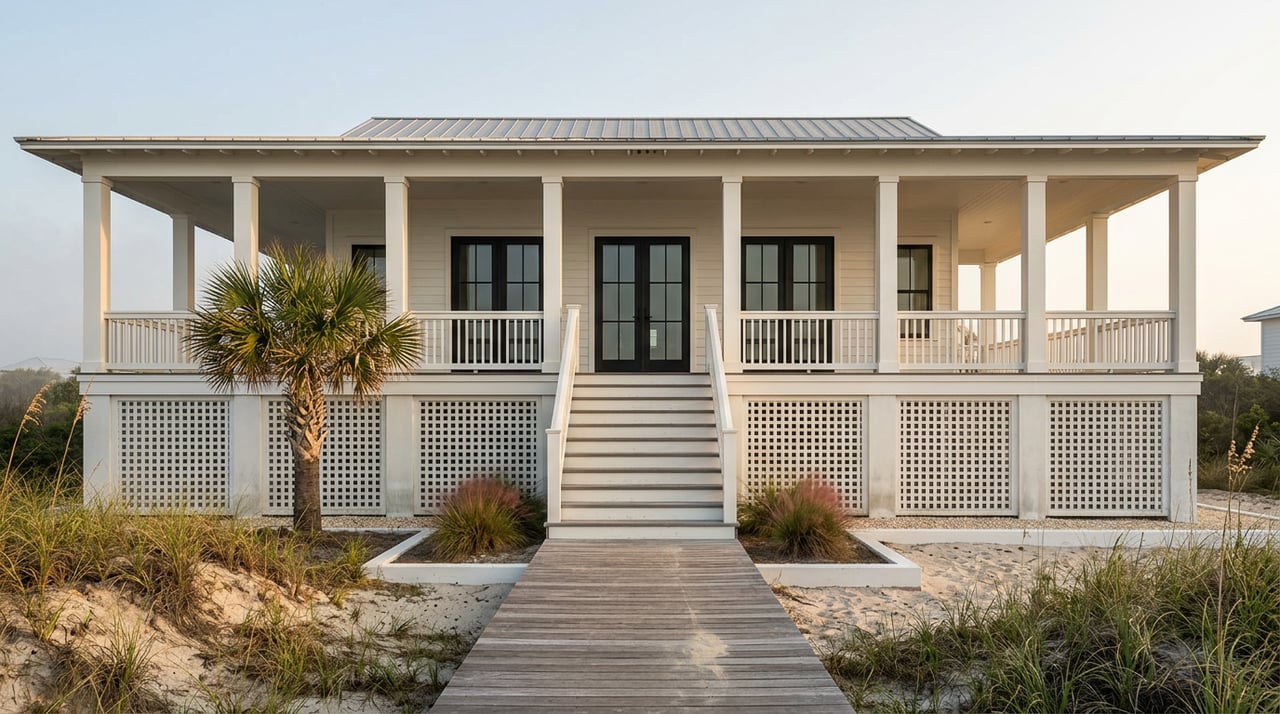
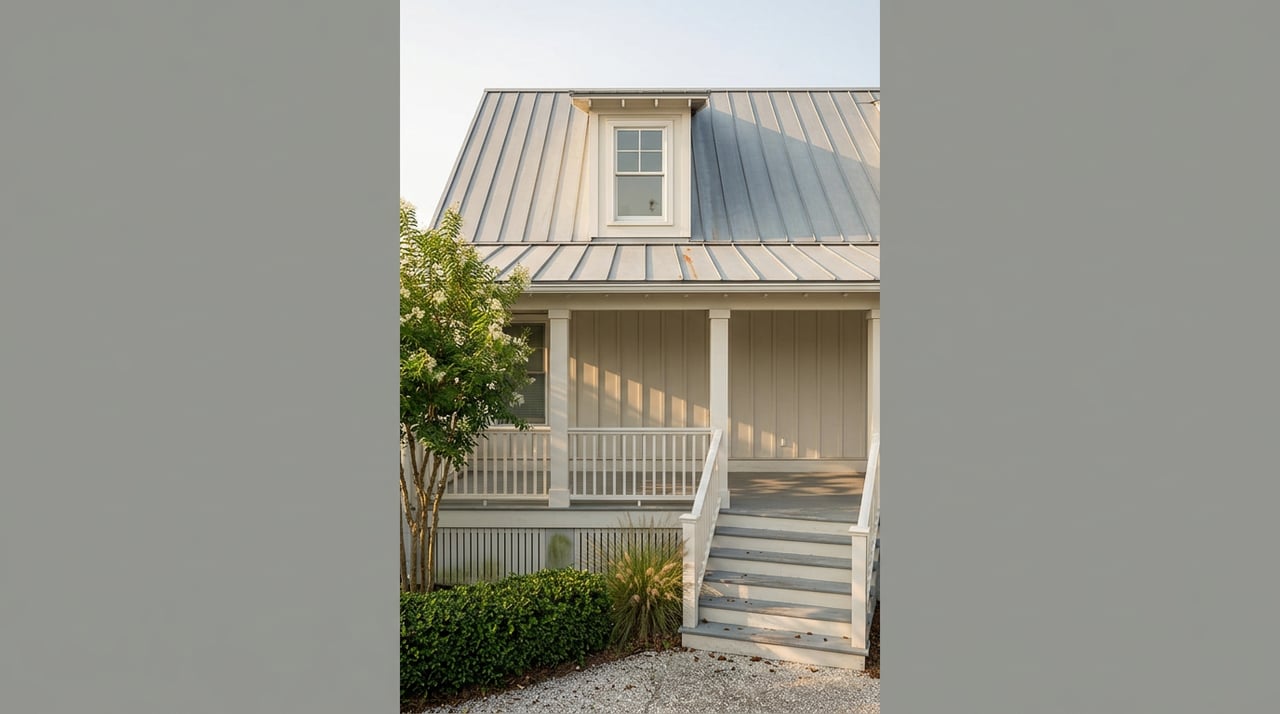
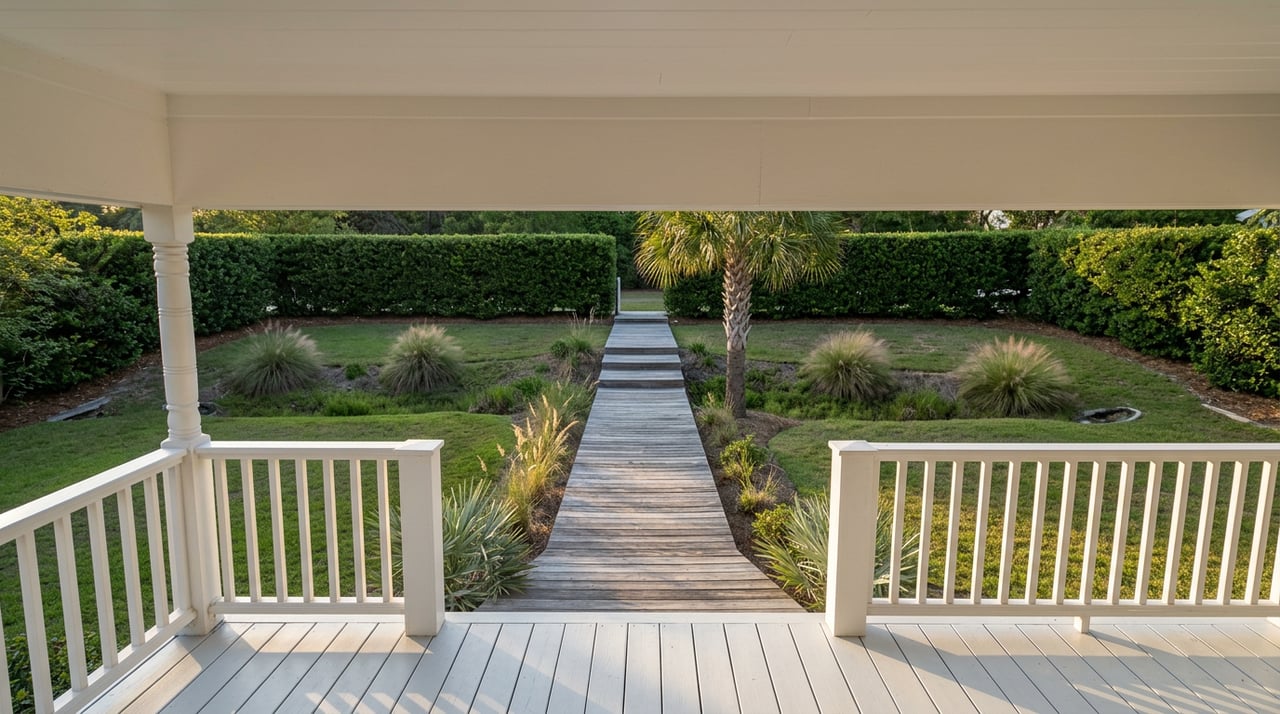
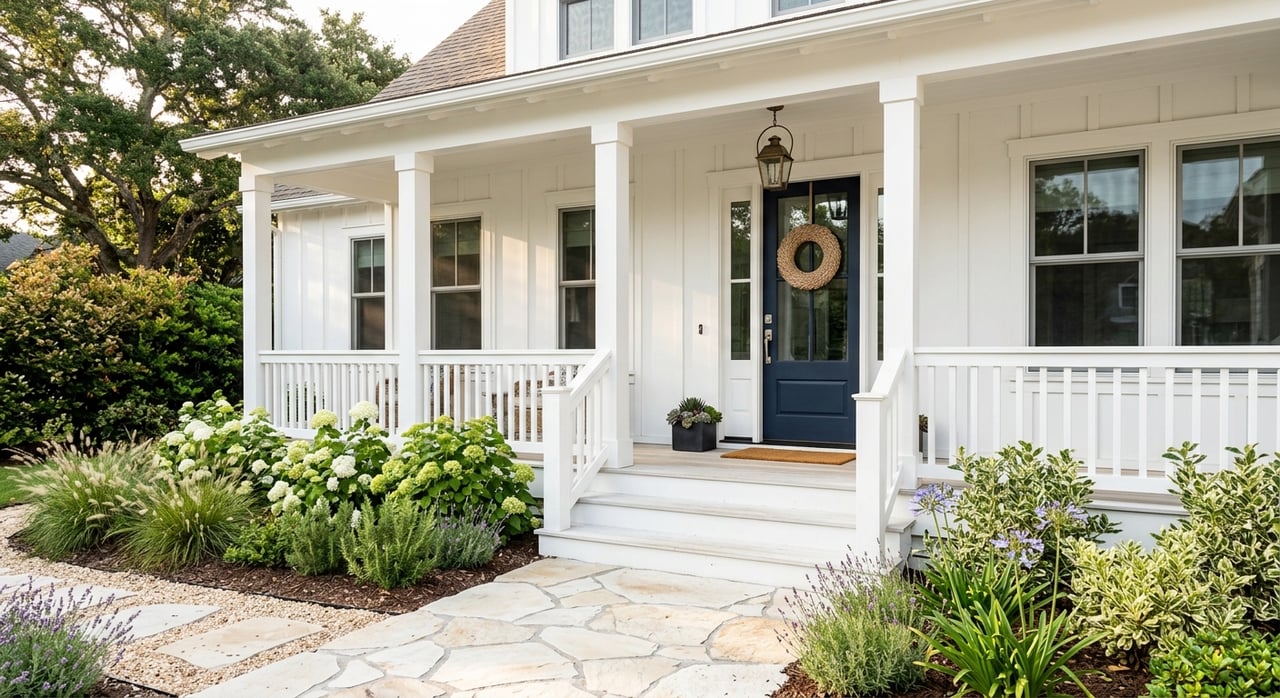
A cottage usually gives you a more house-like experience. Seaside’s original design centered on small homes with front porches, native landscaping, narrow streets, and footpaths that connect residences to the rest of town.
If you want a property that feels a little more removed from the bustle of Central Square, a cottage may be the better fit. You are still in a highly walkable setting, but you often gain more separation, more interior space, and a stronger sense of having your own private retreat.
A better fit for longer stays
Cottages can be especially appealing if you expect to host family or stay for extended periods. Seaside’s own examples of renovated cottages highlight features like expanded kitchens, added bathrooms, outdoor showers, and bedroom layouts designed to improve privacy.
That kind of layout often works well for larger households. If you are planning holidays, summer visits, or multi-week stays, the extra breathing room can make day-to-day life much easier.
Strong appeal for multi-generational use
Seaside’s storytelling around cottages often focuses on homes that stay in families over time. In the town’s feature on inheritable homes, cottages are shown as places where children and grandchildren return year after year.
If your goal is to create a long-term family base on 30A, a cottage often supports that vision naturally. You may have more flexibility for hosting different age groups under one roof while still giving everyone a bit of personal space.
More control, but more responsibility
The tradeoff with a cottage is usually maintenance. Detached ownership tends to come with more owner responsibility for the home itself, exterior upkeep, furnishings, and renovation decisions.
That can be a positive if you value autonomy. If you like the idea of tailoring a home over time and making decisions without as much shared governance, a cottage may feel more rewarding. Still, some older Seaside cottages may need updates or ongoing care, so it is wise to go in with realistic expectations.
What a Seaside condo-style unit offers
The closest connection to town center
In Seaside, condo-style living is most often found in mixed-use buildings near Central Square rather than in large high-rise towers. Official Seaside materials describe residences above retail and dining spaces, including units with balconies, outdoor patios, and views of the Gulf or Central Square.
If you want to be right in the middle of the action, this is often the strongest option. You may be just steps from dining, shopping, the amphitheater, and nearby beach access points.
Efficient layouts and easy living
Condo-style residences in Seaside often have more compact footprints than cottages. That can be an advantage if your priority is having a polished, comfortable home base without paying for more square footage than you plan to use.
For some buyers, that efficiency feels liberating. If you see your 30A home as a lock-and-leave retreat centered on beach time, dinner plans, and town events, a smaller and more streamlined layout may be exactly what you want.
Less exterior upkeep
Florida condo ownership operates differently from detached-home ownership. Under Chapter 718, the association is responsible for common elements and certain maintenance, repair, and replacement obligations assigned to it, while owners have exclusive possession of their own units.
In practical terms, that often means less direct involvement in exterior maintenance. If you prefer a more simplified ownership experience, that structure can be appealing.
More document review before you buy
The convenience of condo-style ownership comes with another layer of due diligence. Florida’s DBPR notes that condo associations maintain official records that can include budgets, insurance policies, contracts, reserve studies, and rental records.
That means your review should go beyond the floor plan and location. You will want to understand fees, reserve funding, rules, and the possibility of assessments before moving forward.
Why legal structure matters in Seaside
One important detail in Seaside is that some residences are described in official materials as apartments, suites, or penthouses in mixed-use buildings. That language can be helpful from a lifestyle standpoint, but it does not automatically tell you the exact legal structure of the property.
Before you assume a listing functions like a standard condominium, verify the governing documents, declaration, and any rental rules tied to the property. In Seaside, the marketing label and the legal framework are not always the same thing.
Cottage vs condo in Seaside
Here is the simplest way to think about the choice:
| Feature | Seaside Cottage | Seaside Condo-Style Unit |
|---|---|---|
| Lifestyle feel | House-like and private | Central and convenient |
| Space | Typically more room to spread out | Typically more compact and efficient |
| Location experience | Walkable, but more removed from activity | Right near shops, dining, and events |
| Hosting family | Often better for larger groups or longer stays | Often better for smaller households |
| Upkeep | More owner responsibility | More shared responsibility through association |
| Customization | More autonomy | More governed by documents and association structure |
How to choose based on your lifestyle
Choose a cottage if you want room to settle in
A cottage may be the better choice if you picture your Seaside home as a place where family gathers for longer visits. It can also make sense if you value porches, outdoor living, and a little more privacy at the end of the day.
This option often fits buyers who want a legacy property feel. If your goal is to create a home that supports repeated family use over many years, a cottage lines up well with that vision.
Choose a condo-style unit if you want convenience first
A condo-style residence may be the stronger fit if you want to step outside and be immediately connected to the energy of town. If your ideal day includes coffee, shopping, dining, and beach access all within a few steps, this setup can be hard to beat.
It may also appeal to you if you prefer less day-to-day ownership complexity on the exterior side. For many second-home buyers, that lower-maintenance structure is part of the appeal.
Focus on how you want to feel at home
Because Seaside is walkable by design, the choice is usually not about whether you can get to the beach or to Central Square. It is about what happens when you come back from dinner, a bike ride, or a morning by the Gulf.
Do you want a detached, residential feel with more room and independence? Or do you want an efficient, central residence that keeps you as close as possible to Seaside’s daily rhythm? That answer often points you in the right direction.
Rental considerations to review carefully
If part-time rental use is part of your plan, document review matters for both property types. Seaside’s Homeowner’s Collection manages more than 190 private homes for participating cottage owners, which may be relevant if you are considering a cottage and want managed rental support.
For condo-style ownership, rental terms can be tied to the governing documents and association records. In either case, rental potential should never be assumed from marketing language alone. The property documents will tell you far more than the listing description.
The bottom line on Seaside cottages vs condos
In Seaside, both cottages and condo-style residences can work beautifully because the town was built around walkability, shared outdoor life, and easy access to the beach. That is what makes this market different from many other coastal communities.
If you want more privacy, room to host, and a home that feels more like a long-term family retreat, a cottage may be your best fit. If you want compact convenience, lower exterior maintenance, and the closest possible connection to Central Square, a condo-style residence may make more sense.
The right choice is the one that matches how you want to spend your time on 30A, not just where you sleep at night. If you want help comparing Seaside property types with your lifestyle, ownership goals, and long-term plans in mind, reach out to Diana Kish for a complimentary market consultation.
FAQs
What is the main difference between a Seaside cottage and a condo-style unit?
- In Seaside, the main difference is usually lifestyle. Cottages tend to offer more privacy, space, and a house-like feel, while condo-style units tend to offer more convenience, compact layouts, and immediate access to Central Square activity.
Are Seaside cottages and condos both walkable to the beach?
- Yes. Seaside says shopping and dining are within a five-minute walk of all residences, and beach access points are spread throughout town so most guests can reach the Gulf within a short walk.
Is a Seaside cottage better for large family stays?
- Often, yes. Seaside’s examples of cottages show layouts that support more bedrooms, added bathrooms, outdoor showers, and better separation for privacy, which can help larger households stay more comfortably.
What should buyers review before purchasing a Seaside condo-style property?
- Buyers should review the legal structure, governing documents, budgets, insurance information, reserve studies, fees, rules, and any potential assessments. In Seaside, some residences are labeled as apartments, suites, or penthouses, so the legal framework should always be verified.
Can you rent out a Seaside cottage or condo-style home part-time?
- Possibly, but rental terms are document-specific. Seaside’s Homeowner’s Collection manages participating private homes, and condo-style properties may have rental rules tied to their governing documents or association records, so review is essential before you buy.