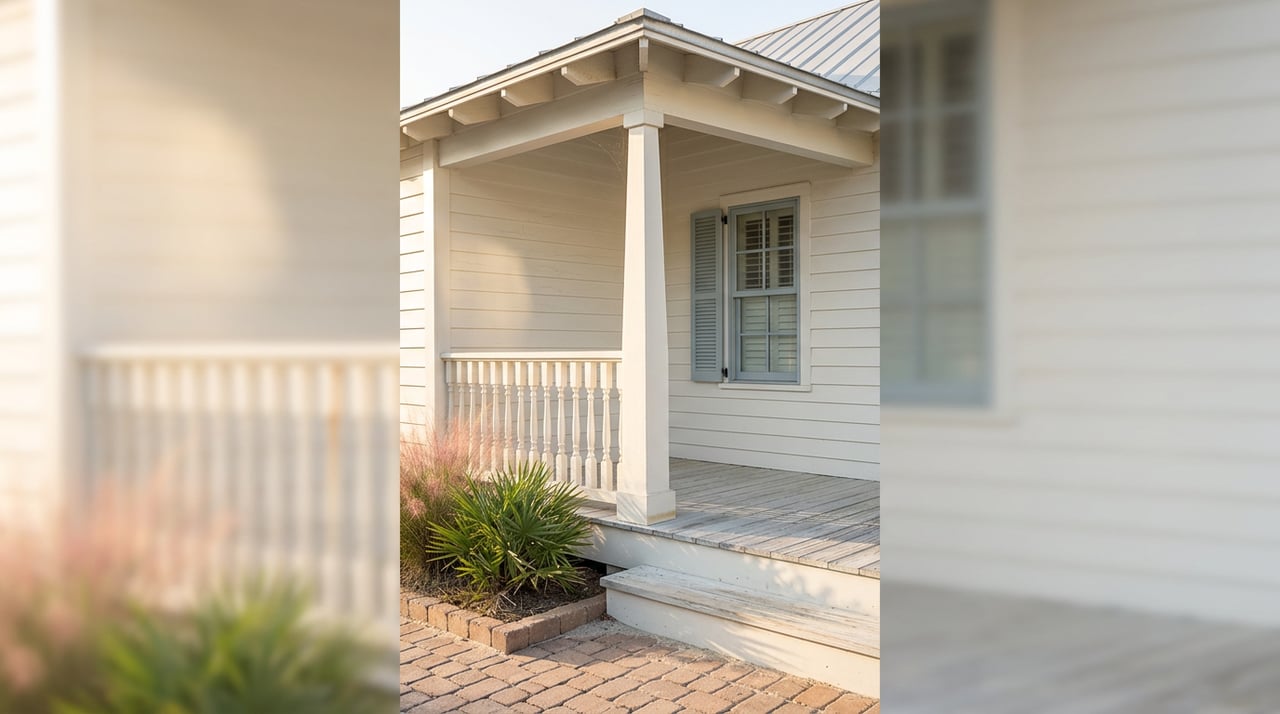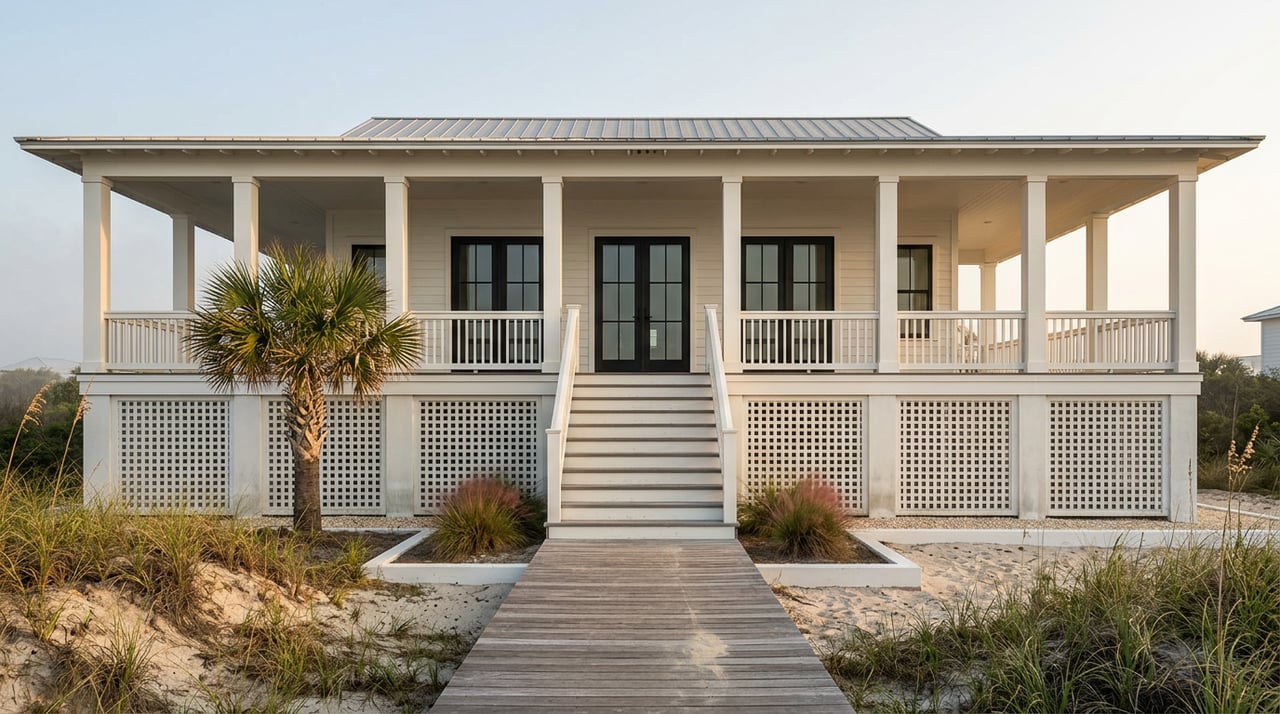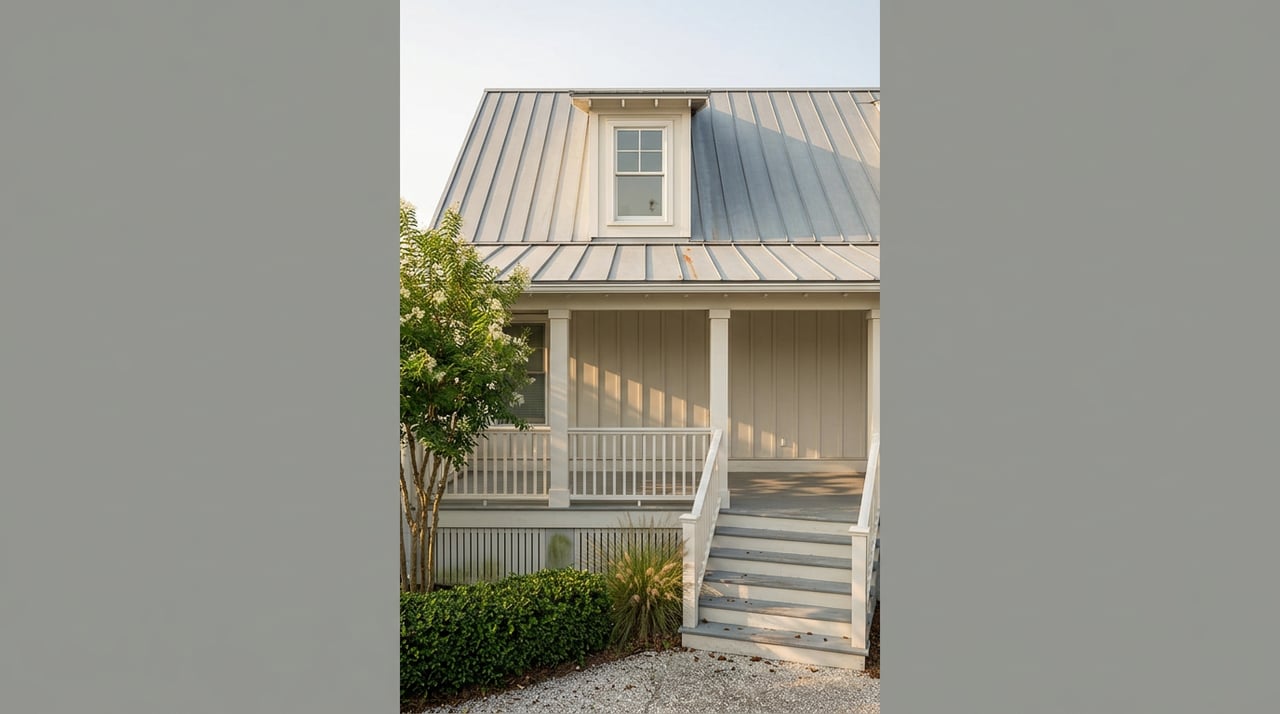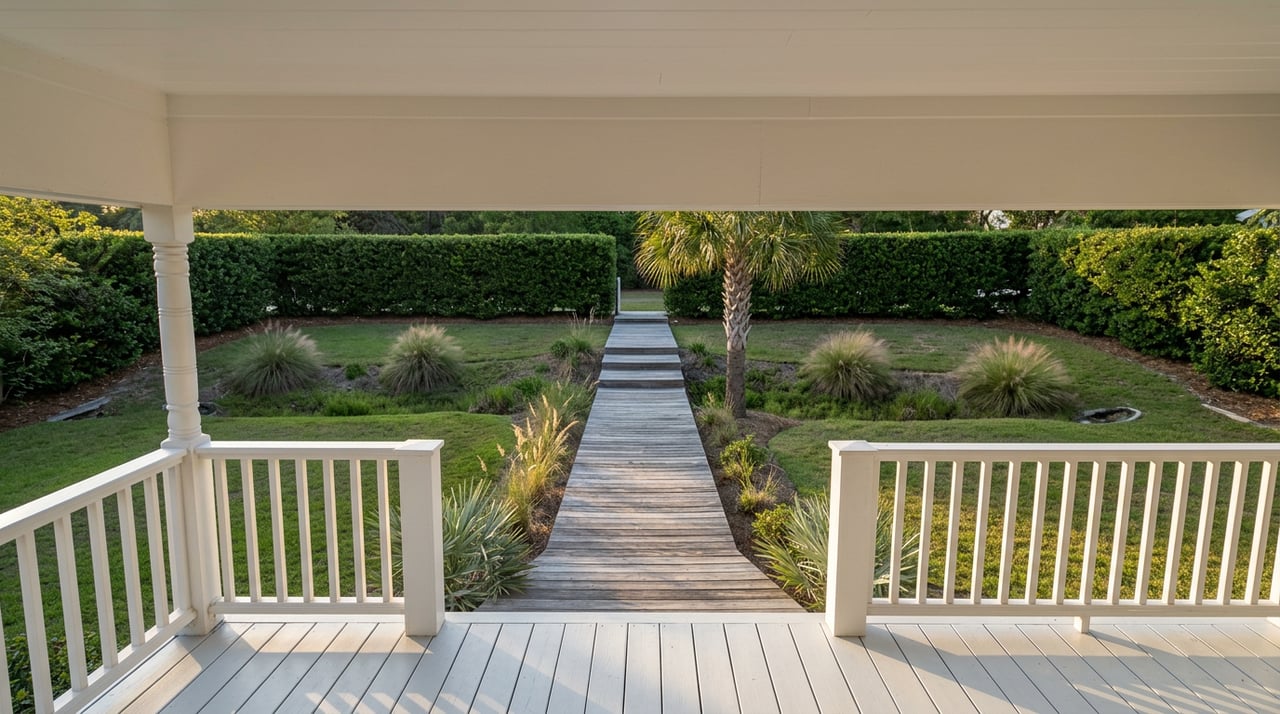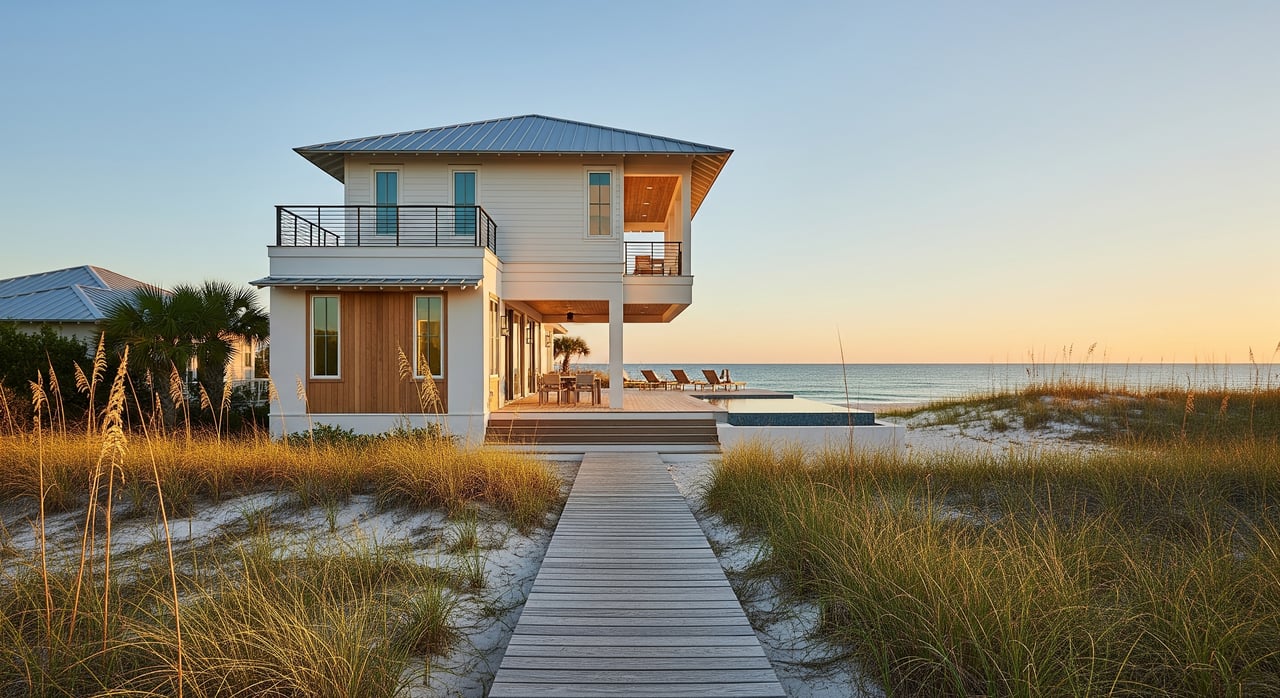
Is the gulf-front premium in Watersound worth it, or will a gulf-view deliver the lifestyle and returns you want without overpaying? You are not alone in asking. Buying along 30A is as much about fit and feel as it is about numbers, and the difference between beachfront and view can be big on both. In this guide, you’ll learn how pricing and absorption differ, what to expect in ongoing costs, how rental demand compares, and a simple framework to decide if paying up for direct frontage makes sense for you. Let’s dive in.
Gulf-front vs gulf-view basics
Gulf-front means your property sits directly on the shoreline with immediate beach access and an unobstructed horizon. Gulf-view sits behind the dune line or across a path or road. Views can be partial or panoramic, but you are not directly on the beach.
In Watersound, a master-planned community in Walton County, amenities and community rules play a major role in value. The St. Joe Company has shaped much of the broader Watersound plan, so community maps, beach access points, and amenity packages can vary by phase. For background on the developer and community planning, review The St. Joe Company.
Pricing and absorption in Watersound
Waterfront premiums are real, but they are not fixed. Across coastal markets, direct beachfront often sells about 10% to 40% or more above comparable view properties. In amenity-rich neighborhoods like Watersound, scarcity and private access can push to the higher end of that range. Your exact premium depends on product type, size and finish level, HOA and club access, view quality, and current supply-demand balance.
How to measure the local premium
- Define tight comps: same product type, beds/baths, condition, and Watersound phase.
- Create two pools: 12-month gulf-front closed sales and 12-month gulf-view closed sales.
- Compare median sale price and price per square foot for each pool.
- Check average days on market and months of inventory to see liquidity differences.
- If samples are thin, expand to 24 or 36 months, and note market shifts when interpreting.
Absorption signals to watch
- Months of inventory: lower usually indicates stronger demand and pricing power.
- Average days on market: shorter typically reflects better liquidity.
- New listing rate: a sudden influx of gulf-front resales or a new phase release can change the premium.
- List-to-sale price ratios: help confirm how negotiable each segment is.
Comparison with nearby South Walton enclaves like Seaside, Seagrove, and Alys Beach can add context. Just remember each neighborhood’s rules and amenities shape premiums in unique ways.
Ownership costs and risks
The joy of stepping from your porch to the sand comes with different cost and risk profiles than a view home set back from the shore.
Insurance and exposure
Gulf-front properties often sit in higher flood zones and may face stronger wind and storm-surge exposure, which can mean higher flood insurance premiums and wind deductibles. Always verify the parcel’s flood zone and elevation. You can look up flood designations using the FEMA Flood Map Service Center and track statewide insurance trends through the Florida Office of Insurance Regulation.
Maintenance and capital needs
Salt air and humidity accelerate wear on exterior finishes, railings, decking, and fasteners. Gulf-front homes typically need more frequent painting, metal maintenance, and potential repairs to dune crossovers or boardwalks. Elevated foundations and pilings add complexity over time.
HOA fees and special assessments
If your HOA maintains private beach access, dune crossovers, or participates in beach renourishment, dues can be higher and special assessments may occur periodically. Review covenants, budgets, reserve studies, and any beach or dune cost-sharing agreements before you write an offer.
Privacy and lifestyle
Gulf-front offers immediate access and expansive views. If a public access point is nearby, you may see more foot traffic and beach activity. Gulf-view can feel quieter while still delivering strong views and convenient beach paths.
Resale and liquidity
Scarcity supports long-term value for beachfront, but the higher price band narrows the buyer pool. Gulf-view properties often attract a broader audience with lower recurring costs, which can translate to faster sales in some market cycles.
Regulatory constraints
Setbacks, dune protections, and floodplain requirements can limit how and where you build or renovate. Short-term rental rules, registration, and tax remittance also apply. Confirm surveys, elevation certificates, and rental allowances in HOA documents and with county resources before closing.
Rental demand and investment view
Short-term rental performance differs by position on the beach and by season.
- Gulf-front listings commonly command higher average daily rates, often 20% to 60% or more above comparable non-frontage listings. Occupancy can be similar or slightly lower during shoulder seasons because of the higher rate.
- Gulf-view listings may earn lower nightly rates, but can post strong annual occupancy due to broader affordability.
To quantify local performance, use market analytics from AirDNA. For seasonality and demand drivers, review visitor trends from Visit South Walton. For broader context on second-home markets, statewide and national insights from Florida Realtors and the National Association of Realtors are helpful when benchmarking expectations.
Operationally, full-service property management often ranges around 20% to 35% of gross rental income. Plan for utilities, linens, turnover, and HOA rental fees where applicable. Lodging and tourist development taxes apply to nightly rentals, and compliance matters for both cash flow and future resale.
A simple decision framework
- Clarify goals. Primary use, seasonal retreat, pure investment, or a hybrid of personal use plus STR.
- Quantify the premium. Pull 12- and 36-month Watersound comps to calculate current gulf-front vs gulf-view price and price per square foot.
- Estimate recurring cost differences. Compare insurance quotes, HOA dues, and expected maintenance for both options.
- Model income. Build conservative, base, and aggressive STR scenarios for ADR, occupancy, and net after management and carrying costs.
- Run break-even and ROI. See how long it takes for extra income and any appreciation edge to cover the premium you pay.
- Consider exit risk. Understand buyer pool size, expected time to sell, and how each segment performed in the last soft patch.
Sample break-even illustration
Assume a $1,200,000 gulf-view purchase and a $1,500,000 gulf-front option. The $300,000 premium equals 25%. If gulf-front nets $15,000 more per year after fees, cash-flow break-even is about 20 years. If you assume gulf-front appreciates 0.5% faster per year, that adds roughly $7,500 in annual value at $1.5M, improving combined break-even to about 13.3 years. These are illustrative only. You should replace every input with current Watersound comps, real insurance quotes, and actual STR scenarios.
What to verify before you offer
- 12- and 36-month Watersound comps for gulf-front and gulf-view: price, price per square foot, list-to-sale ratio, and days on market.
- Active listings and months of inventory for both segments.
- Parcel survey, flood zone, base flood elevation, and the most recent elevation certificate from the FEMA Flood Map Service Center.
- Current insurance quotes for each property type using insights from the Florida Office of Insurance Regulation and local brokers.
- HOA budgets, reserves, covenants, rental restrictions, and any beach or dune maintenance obligations.
- AirDNA or manager-verified STR performance for comparable homes, including seasonality, ADR, occupancy, and net after fees.
- Deeded beach access details and proximity to public access points.
- Any county beach management or erosion plans that could affect costs or use.
Work with a local advisor
Choosing between gulf-front and gulf-view in Watersound comes down to your lifestyle priorities and how the numbers pencil out. With a tailored comp set, real insurance and HOA figures, and STR scenarios grounded in current data, you can decide with confidence.
If you want a clear, side-by-side analysis for a specific property, request a concierge review that blends market metrics with lifestyle fit. Connect with Diana Kish to Request a Complimentary Market Consultation.
FAQs
What is the difference between gulf-front and gulf-view in Watersound?
- Gulf-front sits directly on the shoreline with unobstructed access, while gulf-view is set back from the dune line or across a path or road and offers views without direct frontage.
How much more do gulf-front homes cost than gulf-view in Watersound?
- Waterfront premiums vary by product, view quality, and supply, but coastal analyses commonly show 10% to 40% or more; verify the current local premium with tight Watersound comps.
Are insurance costs higher for beachfront homes in Walton County?
- Often yes; gulf-front properties can be in higher flood zones and face more wind exposure, which can raise premiums and deductibles; confirm specifics via FEMA flood maps and the Florida Office of Insurance Regulation.
Do gulf-front rentals earn more than gulf-view on 30A?
- Typically gulf-front commands meaningfully higher average daily rates, while gulf-view can post competitive annual occupancy; model both using AirDNA comps and seasonality for Watersound.
What should I look for in HOA documents on a beachfront home?
- Review dues, reserve funding, rental rules, dune and beach maintenance obligations, and any history of special assessments tied to coastal infrastructure or renourishment.
How do flood zones affect a Watersound purchase?
- Flood zones and base flood elevation influence required insurance, allowable improvements, and long-term risk; verify the latest elevation certificate and consult FEMA’s maps before you offer.