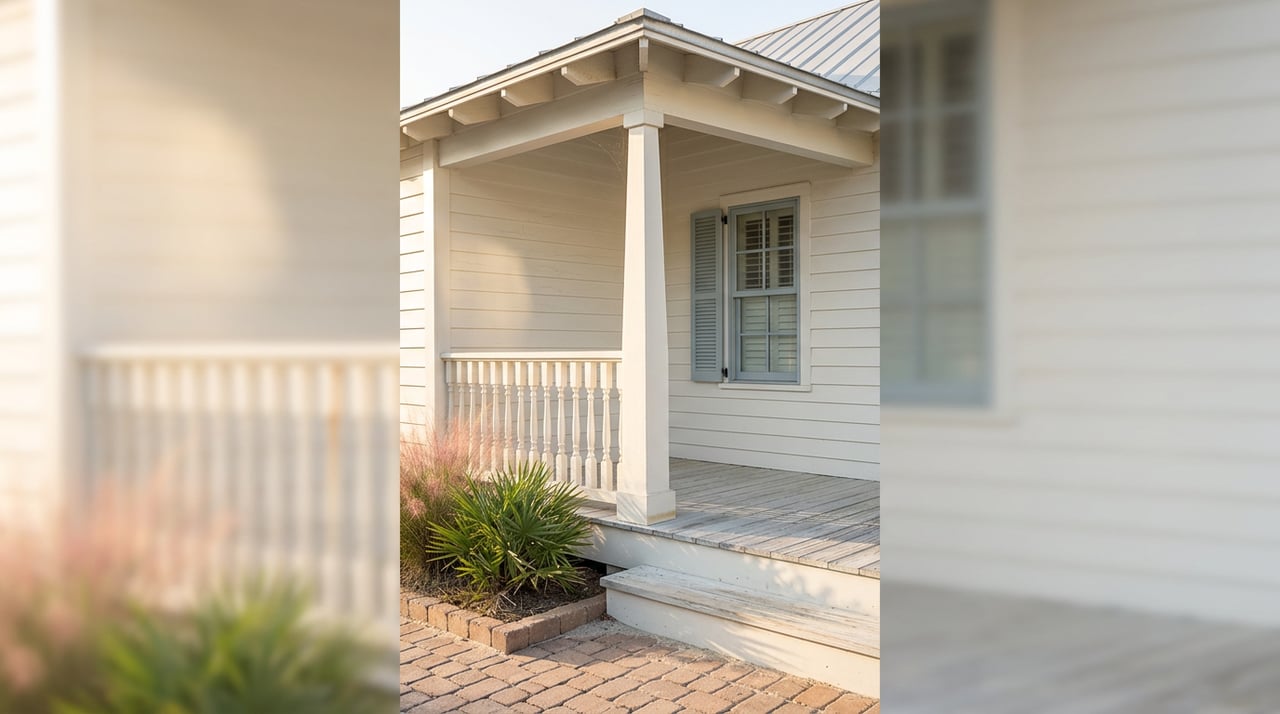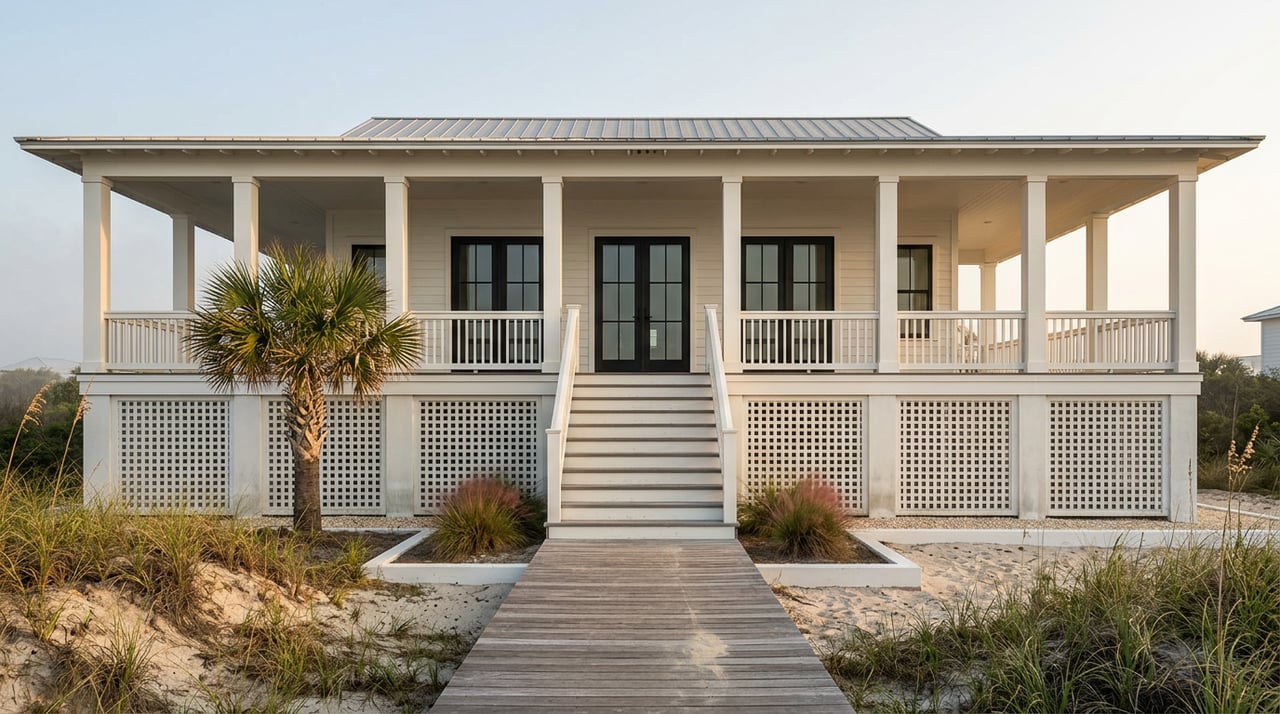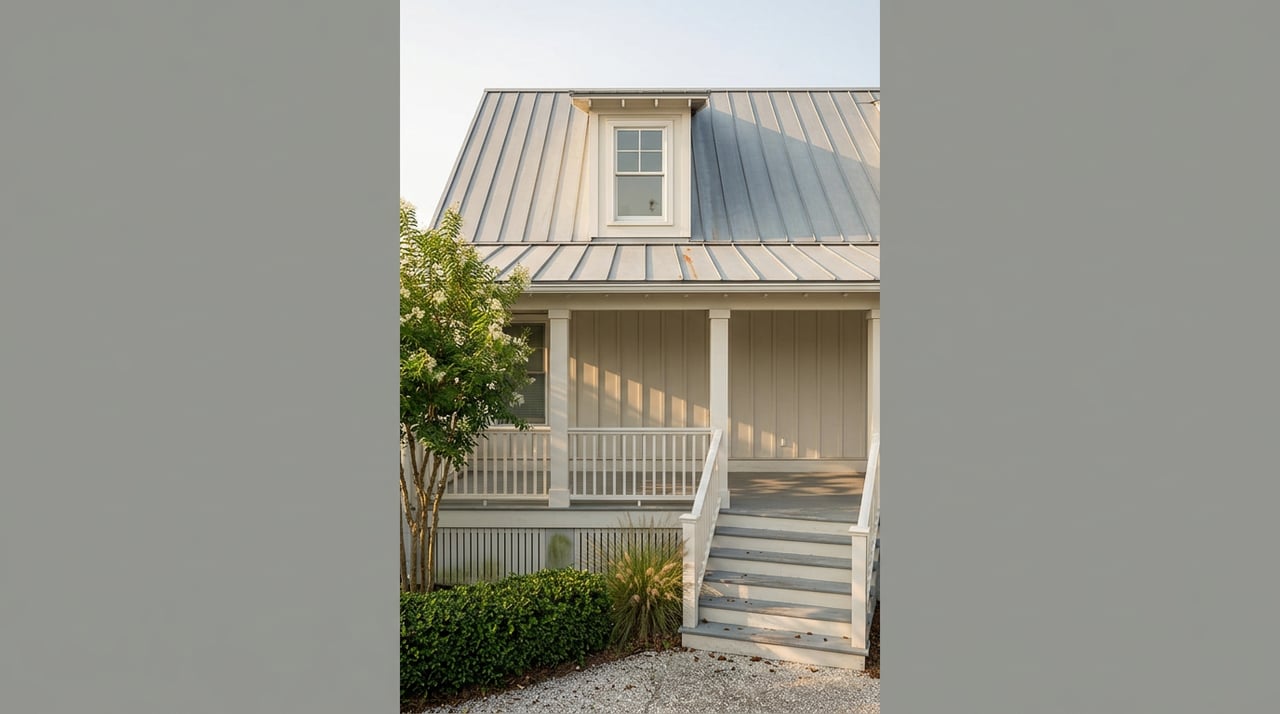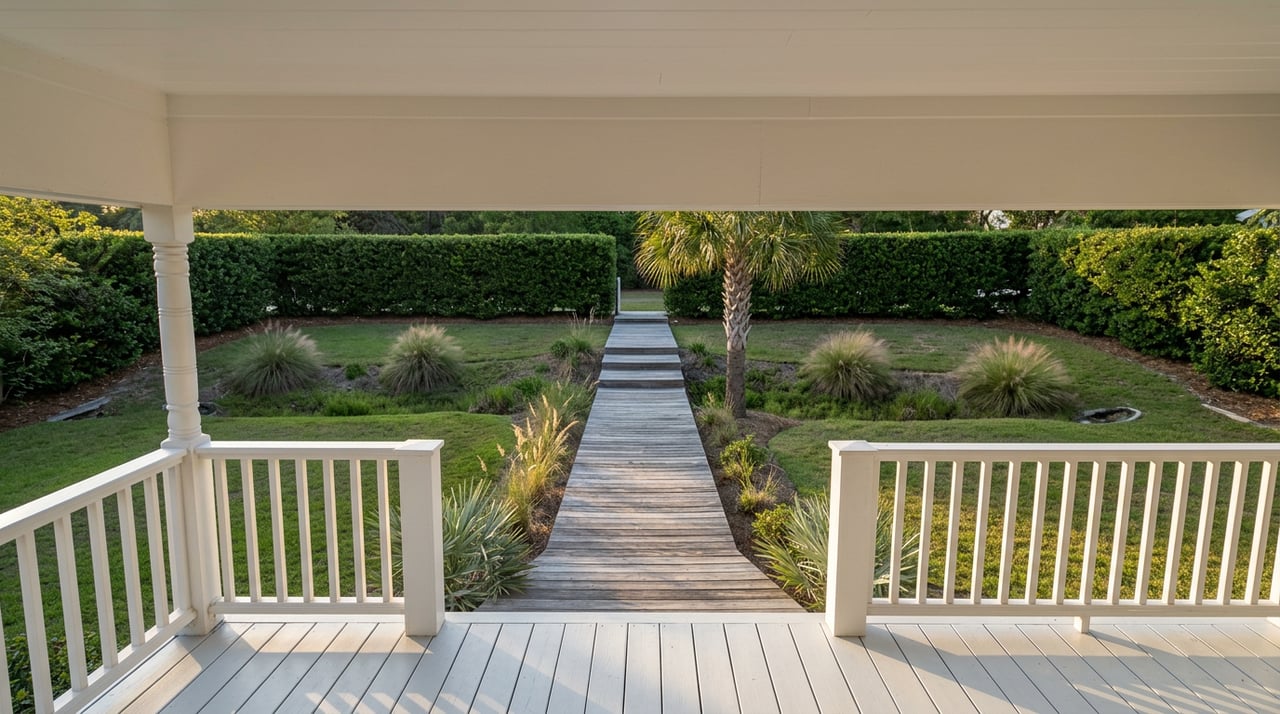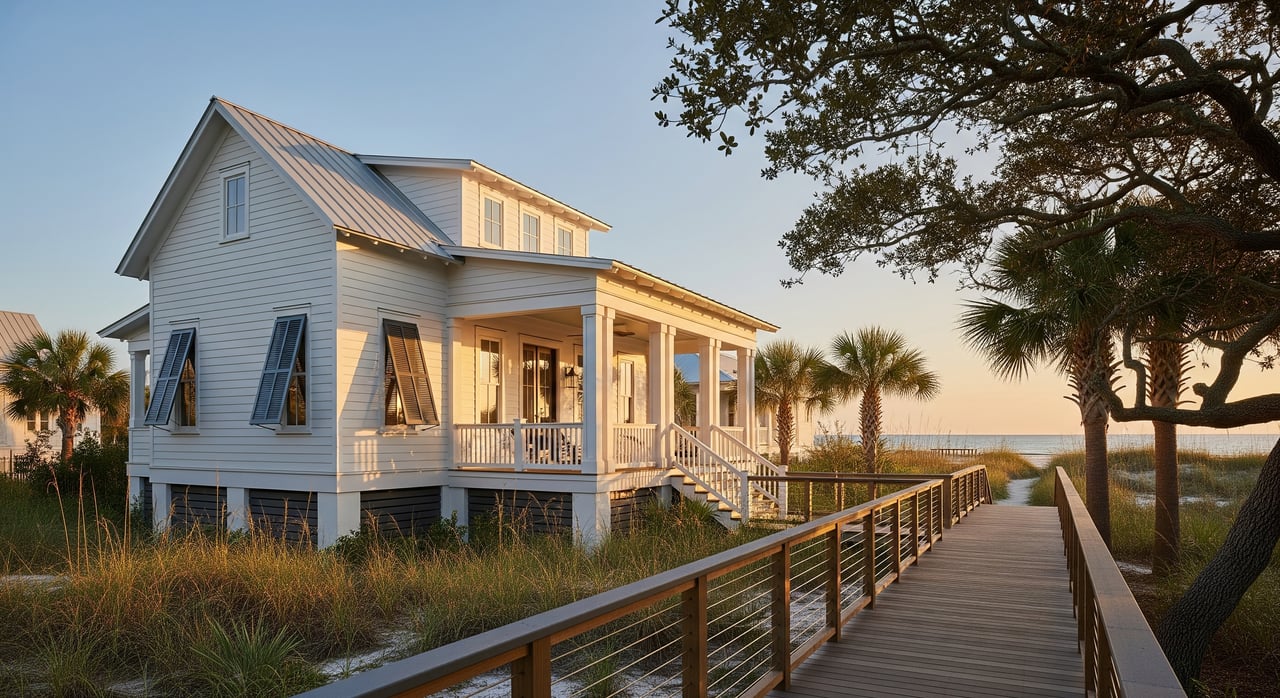
Thinking about repainting, adding a pool, or building new in WaterColor but not sure how long approvals take? You are not alone. Between HOA design rules and county permits, the process can feel confusing when you are trying to plan a second home or a major renovation. This guide explains how HOA and ARB timelines work in WaterColor, what to expect at each step, and how to keep your project moving. Let’s dive in.
HOA vs. County Roles
WaterColor’s Community Association and its Architectural Review Board (ARB) oversee neighborhood design, materials, colors, setbacks defined by the governing documents, and landscaping. Walton County manages building permits, inspections, and code compliance, including structural, mechanical, electrical, drainage, and utilities. You often need approvals from both groups to start work. Florida HOA law and the community’s recorded documents guide ARB procedures, appeals, and member rights.
The Approval Path: Step by Step
Pre-application consultation
Start with a brief call or meeting with ARB staff if available. You can confirm what your project needs, spot conflicts early, and understand meeting schedules and submission deadlines.
Formal submittal
Prepare a complete package based on the ARB checklist. Many delays start here, so aim for a thorough, organized submission.
Completeness review
Staff screens the packet to confirm all forms, drawings, and samples are present. If items are missing, your review may pause until you provide them.
ARB reviews
Most projects go through conceptual and final review. The ARB may approve, approve with conditions, or deny with reasons. Many projects require a revision cycle before final approval.
Conditions and resubmittal
If you receive conditions, document how you satisfied each item and resubmit. The board or staff will confirm compliance before issuing a final letter.
Final ARB signoff
You receive a written approval or compliance letter. Keep this on file for county permitting and for your contractor.
County permitting
Submit plans to Walton County for building permits. Some owners run county and ARB steps in parallel, but confirm whether county reviewers need your ARB approval letter before final signoff.
Inspections and closeout
Walton County conducts inspections. The ARB may conduct site checks to confirm compliance with approved plans, colors, and landscaping. The county issues the Certificate of Occupancy when all code inspections pass.
Typical Timelines in WaterColor
Exact timelines depend on meeting frequency, season, and project complexity. Use these ranges as planning guides and confirm with ARB staff.
- Administrative completeness check: typically 1–2 weeks.
- Minor exterior changes (paint, small fence, HVAC screening, minor hardscape): ARB review often 1–4 weeks from a complete submission. Staff-level approvals can be a few days to 2 weeks.
- Moderate projects (deck additions, larger landscaping, small additions): ARB review cycles often 3–8 weeks, plus county permits 2–6 weeks.
- Major renovations and new builds: ARB conceptual and final cycles commonly 6–12+ weeks. County permits, including structural and environmental items, often 6–16 weeks.
- New construction overall: concept through permit-ready status is commonly 3–9 months, depending on revisions and outside agency input.
- Variances or special exceptions: add 2–4+ months for hearings and resubmissions if required.
- Seasonal impacts: hurricane season, heavy rain, holidays, and meeting frequency can extend timelines. Always check the ARB calendar.
What Commonly Causes Delays
- Incomplete or inconsistent submittals.
- Non-compliant materials, colors, or finishes relative to the design palette.
- Drainage, grading, or stormwater issues.
- Tree protection, removal, and mitigation requirements.
- Setback or coverage conflicts that require redesign or variances.
- Neighbor-notification requirements, if applicable.
- HOA issues like unpaid assessments or existing violations.
- Environmental constraints tied to dunes, wetlands, or protected areas.
- County plan review comments requiring structural or civil changes.
- ARB backlog and limited meeting frequency.
What to Include in Your Submittal
Ask for the current ARB checklist, then assemble a complete package. Typical items include:
- Completed ARB application and owner information.
- Certified survey and scaled site plan with setbacks, easements, driveways, and utilities.
- Floor plans, elevations on all sides, and roof plan with materials and notes.
- Exterior materials board or samples, plus a color schedule with manufacturer and codes.
- Landscape plan with plant types, sizes, and any tree mitigation notes.
- Lighting plan with fixture specs and cut-off details.
- Drainage and grading plan, and erosion control measures if needed.
- Civil/site details for larger work, such as retaining walls and utility connections.
- Tree protection plan if required.
- Contractor license and insurance documentation.
- Application fees and any required deposits.
- Any neighbor notices required by ARB procedures.
Buyer Playbook: Plan Changes After Closing
Before you buy
- Read the CC&Rs and Design Guidelines for the lot or sub-neighborhood.
- Ask the seller for prior ARB approvals and any open violation notices.
- Confirm there are no unpaid assessments or compliance issues.
- Identify architects and builders with recent WaterColor approvals.
First 30 days after closing
- Contact ARB staff to confirm requirements and current timelines.
- Get the ARB meeting calendar and submittal cut-off dates.
- Engage an architect, builder, or landscape architect with local experience.
- Build a complete submittal package to reduce revision cycles.
Manage time and expectations
- Start early and budget time for multiple review rounds.
- When allowed, run ARB and county reviews in parallel.
- Set contingency time for weather, revisions, and agency input.
- Plan for application fees, review deposits, and inspection fees.
Communicate and document
- Keep written records of approvals, conditions, and final signoffs.
- If you get conditional approval, document how you satisfied each condition and request written final confirmation.
Example Project Timelines
Use these as planning templates and verify with ARB staff and Walton County.
Minor exterior change
- Pre-application and prep: 1–7 days
- ARB review: 1–4 weeks
- County permit if needed: 2–4 weeks
- Total: about 2–8 weeks
Moderate renovation or addition
- Pre-application and design: 2–4 weeks
- ARB conceptual and final (with one revision): 4–10 weeks
- County permitting: 4–8+ weeks
- Total: about 2–5+ months
New construction
- Site analysis and pre-application: 2–6 weeks
- ARB conceptual review: 4–8 weeks
- ARB final review and conditions: 4–12 weeks
- County civil/structural and environmental reviews: 6–16+ weeks
- Variances or environmental permits if needed: add 2–4+ months
- Total to permit-ready: commonly 3–9+ months
Appeals and Dispute Options
If you disagree with an ARB decision, check the community’s CC&Rs and ARB rules for appeal procedures. Many associations offer administrative hearings or board appeals, and some use mediation before litigation. County permits are separate from ARB decisions, so an approval or denial by one does not control the other. Keep timelines in mind if you plan to appeal.
Pro Tips to Stay on Track
- Confirm the ARB meeting schedule and submittal deadlines before you design.
- Use professionals who know WaterColor’s standards and Walton County’s process.
- Build a complete packet with clear, consistent drawings and samples.
- Address drainage and tree protection early to avoid redesigns.
- Track conditions in writing and close them out quickly.
- Plan for weather and holidays that can affect scheduling.
Ready to Plan Your Project?
If you are buying or improving in WaterColor, the right plan and team can save months. For introductions to experienced local architects and builders, or to align your purchase timeline with realistic ARB and county milestones, connect with Diana Kish. Request a Complimentary Market Consultation.
FAQs
What is the difference between the WaterColor HOA/ARB and Walton County permits?
- The HOA/ARB governs neighborhood design standards and issues aesthetic approvals, while Walton County issues building permits and conducts code inspections; most projects need approvals from both.
How long does ARB approval take for a simple paint change in WaterColor?
- Minor changes often review in about 1–4 weeks once your packet is complete, and staff-level approval can be faster for straightforward items.
Do I need ARB approval before applying for Walton County permits in WaterColor?
- Many owners run steps in parallel, but some county reviewers may require your ARB approval letter for final signoff, so confirm sequencing with both offices.
What fees or deposits should I expect for a WaterColor ARB submission?
- Fees and deposits vary by project type and are set by the community; request the current ARB fee schedule and deposit/refund policy before submitting.
What happens if my WaterColor project needs a variance or special exception?
- Variances can add 2–4+ months for hearings and resubmissions; plan early, consider design alternatives, and build that time into your schedule.