Thinking about a lakefront home in Grayton Beach but unsure how dune lakes differ from Gulf-front? You are not alone. These lakes are regionally uncommon, beautiful, and a bit complex when it comes to ownership, permits, and long-term upkeep. In this guide, you will learn how dune-lake frontage works, what rules shape improvements, and the lifestyle and investment tradeoffs to consider so you can move forward with confidence. Let’s dive in.
What makes coastal dune lakes unique
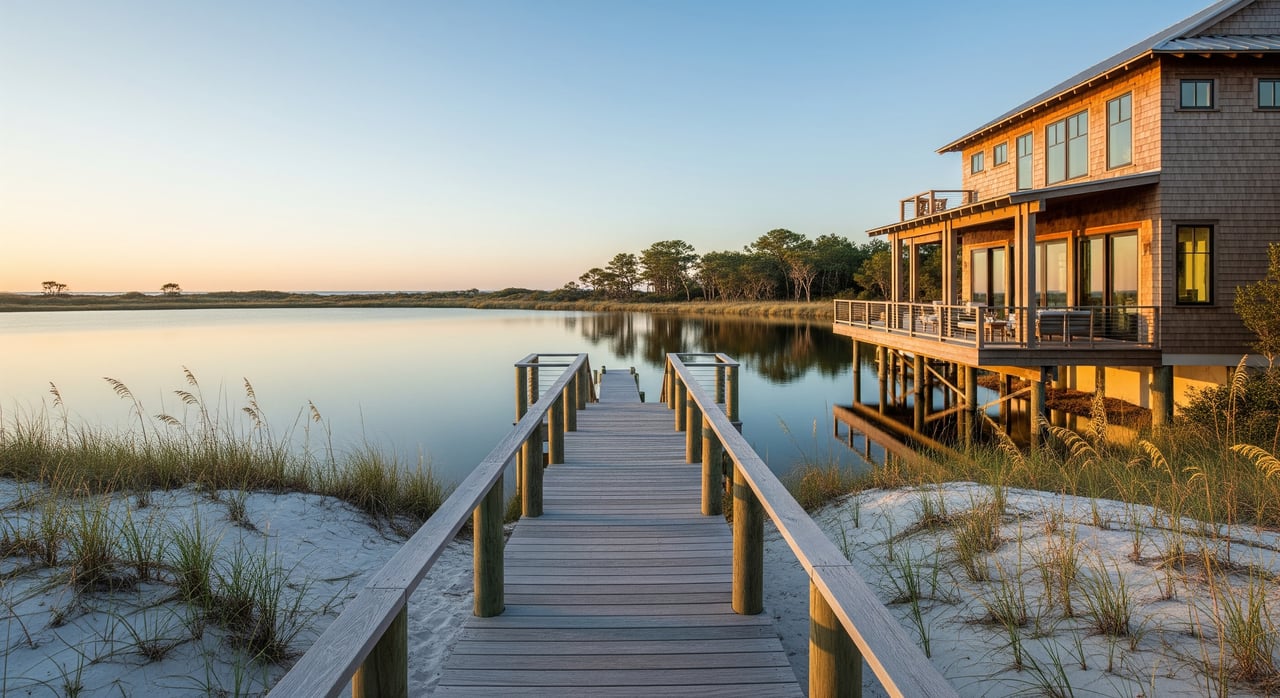
Coastal dune lakes sit just landward of the dunes, often separated from the Gulf by sand that can open naturally during high water or storms. When that happens, the lake may briefly connect to the Gulf, which changes water levels and salinity. That dynamic creates a distinct ecology and a different daily rhythm than the open beach.
In Grayton Beach, the lakes that mingle with Grayton Beach State Park set the tone for quiet paddling, birding, and scenic views. Compared with the Gulf, you will experience calmer conditions along the shoreline, along with sensitive habitats that call for careful stewardship.
What dune-lake frontage means
“Frontage” typically means your parcel touches the upland shoreline of the lake. The rights that come with that frontage depend on title lines, easements, and whether any part of the lakebed is state-owned or considered navigable. Because dune lakes can have mixed ownership patterns, a current survey and title review are essential.
Ownership lines and rights
Florida uses the concepts of riparian and littoral rights for properties on water. With dune lakes, that often includes reasonable access to the water and potential for a small dock, subject to permits and any limits tied to sovereign submerged lands. Since some dune lakes have private and public interests intertwined, the exact rights vary by parcel. Confirm with a survey, deed review, and local permitting authorities before assuming any improvements are allowed.
Public access and easements
Public access to a dune lake may come through state park land, county accesses, or recorded easements. As a buyer, verify whether any public or HOA easements cross the property or provide shared shoreline rights. Do not rely on informal use patterns. Ask for recorded documents and county confirmation during your inspection period.
Rules that shape what you can do
Buying on a coastal dune lake means more oversight than a typical inland waterfront. Expect to coordinate among state and county agencies for most shoreline work, and build timelines with permitting in mind.
State CCCL and shoreline permits
Florida’s Coastal Construction Control Line, administered by the state, regulates construction seaward of a mapped line to protect dunes and uplands. Depending on where your parcel sits relative to the dunes and Gulf, certain improvements may trigger CCCL review. Any work in or over submerged lands, including docks or ramps, can also require state authorization, especially if the waterbody is deemed navigable or state-owned.
Key takeaways:
- Confirm whether your planned work lies seaward of the CCCL map for your area.
- Treat docks, pilings, ramps, and shoreline alterations as permit-driven projects.
- Expect additional reviews if wetlands or connected waters are involved.
Walton County development rules
Walton County’s land development code governs setbacks, vegetation clearing, stormwater, and shoreline protections. Permits are commonly required for docks, vegetation removal within a defined buffer, and erosion control around construction. These local standards are designed to protect dunes, water quality, and adjacent properties, and they can affect your site plan and timeline.
Septic, sewer, and water quality
Coastal dune lakes are sensitive to nutrient loading. Runoff and septic leachate can trigger algal blooms, reduce clarity, and change the lake’s ecology. That affects both the environment and how a property lives day to day.
What to check:
- Whether the home is on municipal sewer or an onsite septic system.
- If on septic, whether advanced systems or future upgrade mandates apply in your area.
- Stormwater plans for the parcel, including roof and driveway runoff management.
Proactive choices, like using native landscaping and limiting fertilizer, support lake health and help protect your property’s long-term appeal.
Flood zones and insurance
Even though dune-lake homes sit behind the dunes, they can fall within FEMA flood hazard zones. Lake levels can rise quickly during storms, and intermittent Gulf connections can influence surge. Your lender may require flood insurance based on FEMA mapping, and local building elevation rules will apply for new or substantially improved structures.
Practical steps:
- Order a current Elevation Certificate if available.
- Verify the FEMA zone and base flood elevation for your parcel.
- Factor windstorm and hurricane coverage into your annual costs.
Dune and vegetation protections
Dunes and native vegetation are protected resources. Hard stabilization, such as seawalls or bulkheads, is often limited or prohibited because it disrupts natural processes. Expect local rules that require revegetation after disturbance and restrict vehicles or structures in protected areas. Soft stabilization and native plantings are commonly favored solutions.
Lifestyle and investment tradeoffs
Dune-lakefront living delivers a distinct experience from Gulf-front. The differences matter for both enjoyment and resale.
Why buyers love dune-lake living
- Calmer water views and a sense of privacy compared with busy beach accesses.
- Great for low-impact recreation like paddling, birding, and occasional fishing.
- Typically less direct surf exposure than Gulf-front parcels.
Potential nuisances to note
- Water clarity and salinity shift with seasons and storm events.
- Short-term algal blooms or aquatic vegetation can affect the look of the shoreline.
- Mosquitoes and insects may be more noticeable during warm, still periods.
Value drivers vs Gulf-front
Dune-lakefront properties can command a premium for unique scenery and access, but the market behaves differently than Gulf-front. Gulf-front demand leans on direct sand access and unobstructed ocean views. Lakefront demand often centers on privacy, ecology, and paddling access. Regulatory limits on docks, setbacks, and shoreline work can shape remodel plans and your comparable analysis. Long-term risks, such as flood map changes or local septic upgrades, should be part of your underwriting.
Smart due diligence steps
Use this checklist to confirm rights, costs, and constraints before you commit:
Survey and title
- Order a current boundary and topographic survey showing the lake shoreline.
- Review title for easements, access rights, and exceptions.
Permitting and compliance
- Pull county permit history for the address, including docks or shoreline work.
- Ask about any open code cases or enforcement actions.
- Confirm whether planned improvements trigger state or county permits.
Sewer, septic, and stormwater
- Verify sewer connection status or septic system type and age.
- Ask about local septic-to-sewer timelines or upgrade requirements.
- Review drainage plans, especially for driveways, pools, and additions.
Flood and insurance
- Check FEMA flood zone and base flood elevation.
- Obtain or update an Elevation Certificate.
- Get quotes for flood and wind coverage early in the process.
Environmental context
- Ask for any available water-quality history relevant to recreation.
- Plan native landscaping and fertilizer practices that protect the lake.
HOA and use rules
- Read CC&Rs and architectural guidelines for dock size, setbacks, and buffers.
- Confirm rental policies if you plan to generate income.
Work with a local advisor
If you are weighing Gulf-front versus dune-lakefront in Grayton Beach, the right choice comes down to lifestyle fit, project plans, and long-term risk tolerance. An experienced local agent will help you model value under different renovation scenarios, map out permitting timelines, and coordinate surveys, insurance quotes, and inspections during your contingency window.
If you want expert, concierge-level guidance on 30A’s dune-lake and Gulf-front options, connect with Diana Kish for a complimentary market consultation tailored to your goals.
FAQs
Can I build a dock on a Grayton Beach dune lake?
- It depends on title, lakebed ownership, and local and state permitting. Many dune lakes allow only limited, small-scale docks subject to review. Confirm requirements with the county and state before planning.
Are seawalls allowed on dune-lake shorelines?
- Hard shoreline structures are often restricted or prohibited due to ecological impacts. Soft stabilization and native plantings are commonly preferred, and any work will be permit-driven.
How do lake breaches to the Gulf affect my property?
- Breaches can temporarily change salinity, fish populations, water levels, and shoreline shape. These events are a normal part of dune-lake dynamics and should be factored into design and maintenance plans.
Will I need flood insurance for a dune-lake home?
- Many properties near dune lakes fall within FEMA flood hazard zones. Lender requirements and premiums depend on your mapped zone, elevation, and community participation in the NFIP.
How can I protect water quality at my lakefront home?
- Connect to sewer where available, maintain or upgrade septic systems if needed, manage stormwater on site, use native landscaping, and limit fertilizer to reduce nutrient runoff.
What due diligence should I complete before closing?
- Order a current survey, review deed and easements, verify sewer versus septic, pull permit history, check flood maps and obtain an Elevation Certificate, and confirm any HOA or architectural rules that affect docks and setbacks.