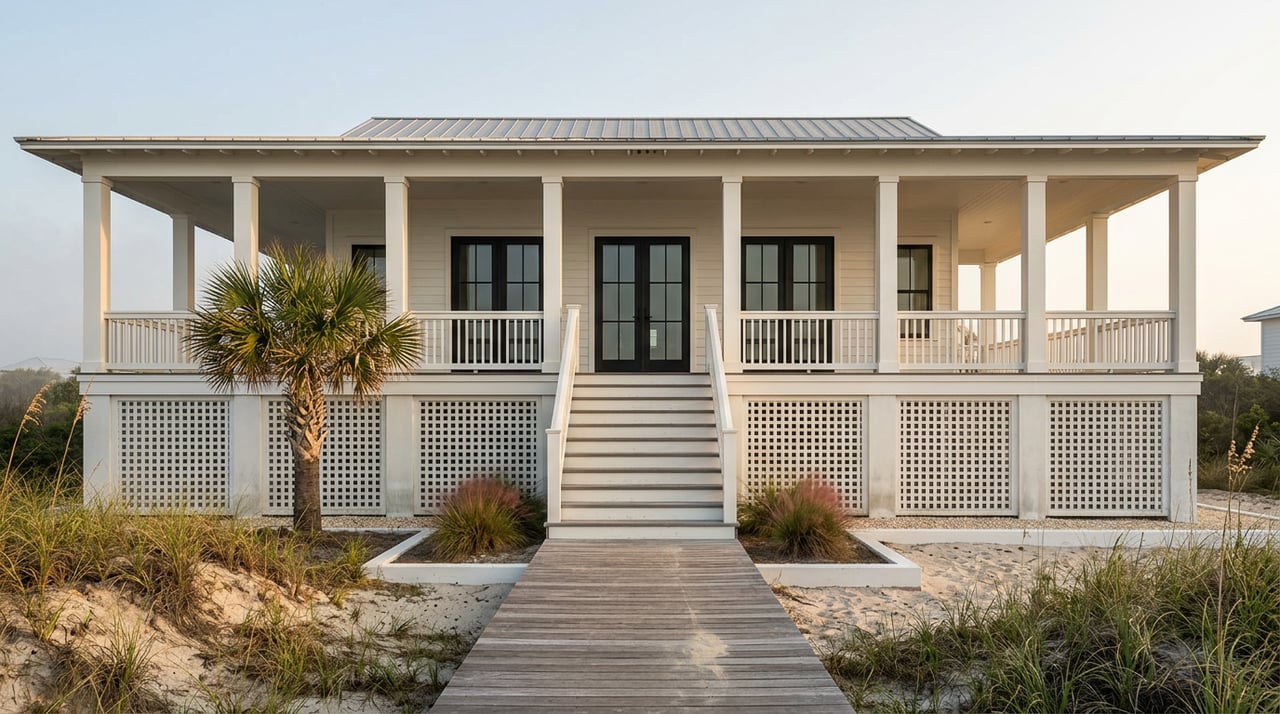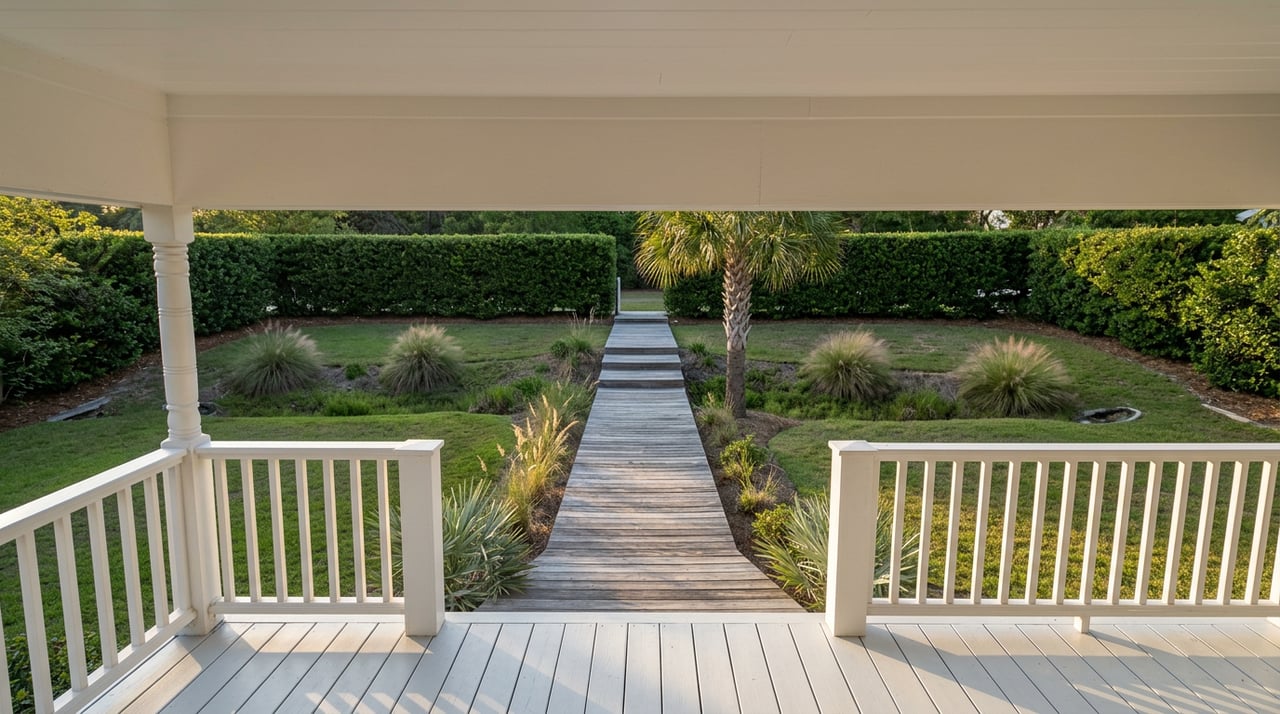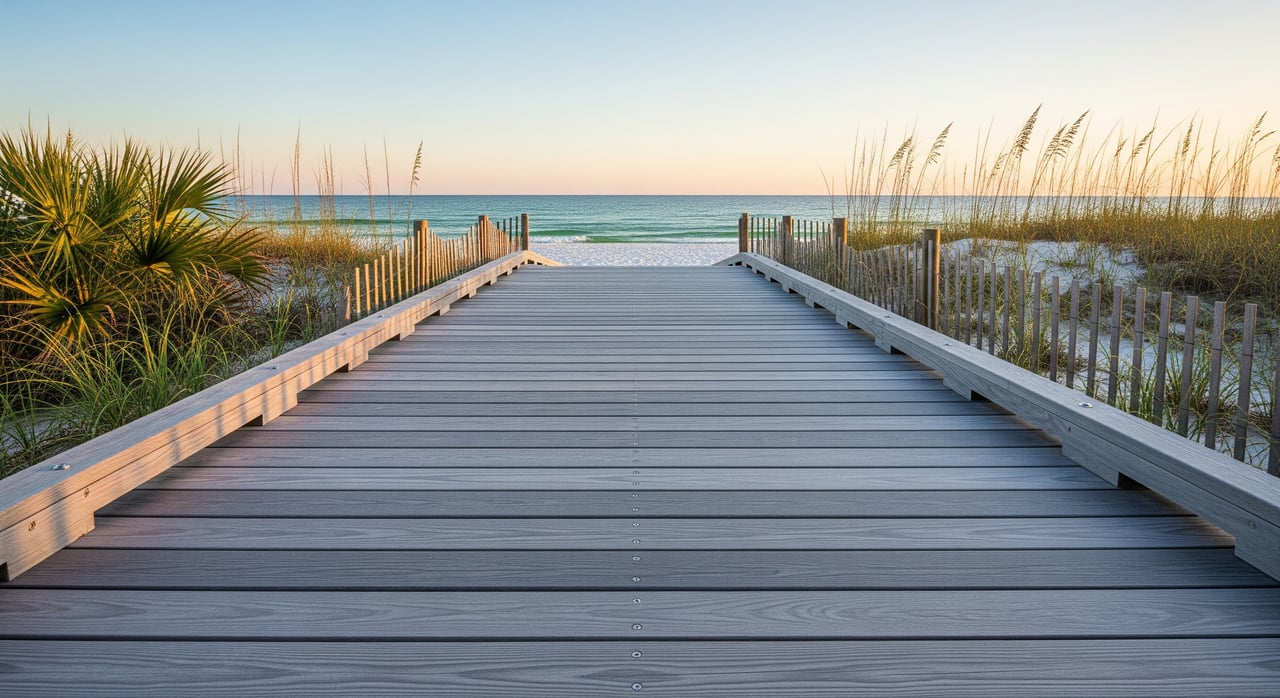
If you own a beachfront home in Seagrove, your dune walkover is more than a convenience. It protects fragile dunes, supports safe access, and can impact your property value. At the same time, it sits in a sensitive area where local, state, and sometimes federal rules apply. In this guide, you’ll learn who is responsible for private walkovers, how permits work in Walton County and at the state level, and the practical steps to maintain or replace a walkover without delays or fines. Let’s dive in.
Why dune walkovers matter in Seagrove
Private walkovers keep foot traffic off the dunes, which helps stabilize sand and native plants. That protects your shoreline and reduces erosion risk. In Seagrove Beach, many walkovers fall near key jurisdictional lines, so small changes can trigger different approvals. Taking a thoughtful approach keeps you compliant and protects the coastal ecosystem you enjoy.
Who is responsible for private walkovers
If the walkover is on your private property, you are typically responsible for keeping it safe and in good repair. That includes fixing rot, tightening railings, and addressing structural issues. If the walkover is an HOA common element, the association generally handles permitting, funding, maintenance, and insurance.
Your HOA should maintain records of prior permits, surveys, and maintenance. Whether you are an owner or an HOA board member, follow permit conditions closely and manage liability for private stairs or ramps. Verify insurance requirements and update policies after any replacement or major modification.
Know your lines: MHW and the CCCL
Two lines matter most in Seagrove Beach:
- Mean High Water (MHW): Often marks the boundary between private uplands and state-managed sovereign lands. Work seaward of MHW can require state authorization.
- Coastal Construction Control Line (CCCL): A state line inland from the beach. Construction seaward of the CCCL is tightly regulated and usually requires Florida Department of Environmental Protection authorization.
In practice, you should confirm where your walkover sits relative to both lines. If rules overlap, the stricter condition typically governs. A licensed surveyor can place the MHW and CCCL on your site plan so you know exactly which agencies to contact.
Permits: when you need them
Do not assume small repairs are permit-free. Like-for-like fixes that do not change the footprint or structural system may be exempt from full permitting, but you should verify with Walton County and the Florida Department of Environmental Protection before any structural work near dunes. Replacement or substantial repairs often require permits.
After storms, emergency authorizations may be available when work is needed for safety or to prevent further damage. You should notify permitting staff as soon as possible, document the damage thoroughly, and follow their guidance. Non-emergency replacements follow the standard process, which can take weeks to months.
Your step-by-step path to a compliant project
Pre-work: documentation and planning
- Gather your property survey, any existing permits, site photos, prior repair records, and HOA covenants if applicable.
- Confirm your walkover’s position relative to MHW and the CCCL. Hire a surveyor if you are unsure.
- Contact Walton County building staff and the Florida Department of Environmental Protection for pre-application guidance on your exact location and scope.
- Engage qualified professionals: a coastal or structural engineer, a contractor experienced in Gulf-front work, and a surveyor.
Permitting: who reviews what
- Walton County building permit: Often required for structural work landward of state jurisdiction. Expect to provide structural plans and contractor credentials.
- Florida Department of Environmental Protection authorization: Required if any portion of the project is seaward of the CCCL or if work affects state-managed beach or dune areas. You may need site-specific plans, structural details, erosion controls, and a dune vegetation plan.
- U.S. Army Corps of Engineers review: May be required if work affects navigable waters, federal wetlands, or involves dredging or fill. This is often clarified after initial talks with agencies.
- Environmental consultations: Coordinate with the Florida Fish and Wildlife Conservation Commission on sea turtle season restrictions and with county environmental staff when dune vegetation is impacted.
Typical workflow:
- Schedule pre-application consultations with the relevant agencies.
- Prepare a survey, plans, and any technical reports with your engineer.
- Submit applications to the state, county, and federal agencies as needed.
- Respond to agency reviews, which may include notifications to neighbors. Timelines vary from a few weeks to several months.
- Receive permits with conditions, obtain the county building permit, and schedule inspections.
Construction and best-practice implementation
- Use contractors who are experienced in coastal construction and understand local and state permit conditions.
- Minimize your work area to protect dune vegetation. Use designated access routes and sediment controls during construction.
- Follow seasonal restrictions during sea turtle nesting season. Remove debris daily and control lighting as required.
- After construction, restore disturbed dune vegetation as required and document completion with photos and as-built drawings.
Post-construction and ongoing maintenance
- Keep a maintenance log with inspection dates, photos, and any repairs.
- Inspect at least yearly and after major storms for rot, loose fasteners, undermined pilings, and railing stability.
- Confirm with Walton County or the state before any future structural changes, relocations, or extensions.
- Retain all permits, correspondence, and as-builts for future owners or HOA boards.
Design and environmental best practices
A thoughtful design can reduce permitting complexity and environmental impacts.
- Elevate and pier foundations: Allow natural sand movement and reduce dune obstruction.
- Minimize footprint: Keep the structure narrow and align with existing access corridors when possible.
- Materials: Choose rot-resistant, marine-grade materials, stainless steel fasteners, and non-reflective, low-light surfaces near nesting habitat.
- Avoid hard armoring: Seawalls and revetments can worsen erosion and typically require separate and restrictive approvals.
- Preserve and restore vegetation: Protect native dune plants such as sea oats. Use approved native species for restoration and consider sand fencing if authorized.
- Accessibility and safety: Private walkovers are not typically required to meet public ADA standards unless designated public access, but handrails, slip resistance, and stable treads are essential.
Sea turtle and shorebird timing
Nesting season in Northwest Florida generally runs spring through fall, and many local programs treat May through October as critical. Plan to schedule work outside this window when feasible. If work must occur during nesting season, expect daytime-only activity, shielded or limited lighting, and strict cleanup to keep the beach clear at night. Be prepared to pause work if a nest is identified near your site and coordinate with wildlife officials.
Timelines and how to stay on track
Agency timelines vary. For non-emergency projects, expect several weeks to several months from pre-application to final approvals. Emergency authorizations and minor maintenance can move faster, but you still need to coordinate. You can shorten your timeline by assembling documentation early, hiring a coastal-savvy team, and responding promptly to agency questions.
Quick homeowner and HOA checklist
- Assemble your survey, prior permits, photos, and HOA documents.
- Confirm MHW and CCCL locations with a surveyor if needed.
- Book pre-application calls with Walton County and the Florida Department of Environmental Protection.
- Hire a coastal or structural engineer and an experienced Gulf-front contractor.
- Prepare site plans, structural drawings, and a vegetation restoration plan.
- Submit permit applications to the appropriate agencies.
- Aim for work outside nesting season; coordinate if timing overlaps.
- Restore vegetation and keep a complete project record after construction.
Common pitfalls to avoid in Seagrove
- Starting work before permits are issued or conditions are understood.
- Not verifying whether any part of the walkover is seaward of the CCCL.
- Overlooking sea turtle season restrictions and lighting rules.
- Choosing contractors without coastal permitting and construction experience.
- Failing to restore native vegetation after construction.
Ready to move forward?
Whether you are repairing storm damage or planning a full replacement, a proactive, well-documented approach protects your shoreline and your investment. If you are buying or selling along Scenic 30A and want guidance that aligns real estate goals with coastal compliance, connect with the trusted local resource who knows the process and the neighborhood context. Request a Complimentary Market Consultation with Unknown Company to align your timeline, budget, and permitting path with your property plans.
FAQs
Do I need a permit to repair a private dune walkover in Seagrove?
- Many structural repairs and replacements require permits, especially if any portion is seaward of the Coastal Construction Control Line. Verify with Walton County and the Florida Department of Environmental Protection before you begin.
What is the Coastal Construction Control Line and why does it matter?
- The CCCL is a state-designated line inland from the beach. Construction seaward of the line is tightly regulated and usually requires state authorization, which affects how you plan and permit your walkover.
How do I find the Mean High Water and CCCL locations on my property?
- Hire a licensed surveyor to identify and place these lines on your survey and site plan. This confirms which agencies have jurisdiction over your project.
Can I work during sea turtle nesting season in Walton County?
- Work may be limited by lighting, timing, and debris restrictions, and you may need to pause if a nest is present. Plan outside the season when possible, and coordinate with wildlife officials if timing overlaps.
How long do permits usually take for a walkover project?
- Timelines vary by scope and review needs. A practical range for non-emergency projects is several weeks to several months, with emergency authorizations sometimes processed faster.