If your idea of a second home includes parking the car, walking to coffee, spending the afternoon by the Gulf, and ending the day with dinner a few blocks away, Rosemary Beach may already be on your shortlist. But the right second-home community is not just about looks. It is about how easily the place fits the way you actually plan to use it. In Rosemary Beach, that comes down to walkability, amenities, architectural standards, and how much structure you want in your ownership experience. Let’s dive in.
Why Rosemary Beach Stands Out
Rosemary Beach was planned as a walkable, compact town rather than a spread-out beach neighborhood. According to the property owners association, the community follows New Urbanist principles and was designed so residents can live, work, and play without relying heavily on cars. Many destinations are about a five-minute walk apart.
For a second-home buyer, that design matters. If you expect to use your home for weekends, holidays, or longer seasonal stays, convenience becomes part of the value. A place that feels easy from the moment you arrive often gets used more often and enjoyed more fully.
Walkability Shapes Daily Life
One of Rosemary Beach’s biggest strengths is how its layout supports simple, on-foot living. The Town Center serves as the heart of the community, with paths, boardwalks, cobblestone streets, parks, restaurants, shops, lodging, and services clustered together. That gives the area more of a village feel than a typical subdivision layout.
If you want a second home that feels low-friction, this setup is a major plus. You can step away from the logistics of driving, parking, and coordinating every outing by car. For many buyers, that ease is exactly what makes a second home feel like a true escape.
Amenities That Support More Than Beach Days
Rosemary Beach offers a strong amenity mix for owners and guests. The POA provides beach service that includes chairs, umbrellas, tables, watercraft rentals, sunset setups, bonfires, and coolers. For many second-home owners, that kind of support can make short stays feel more seamless.
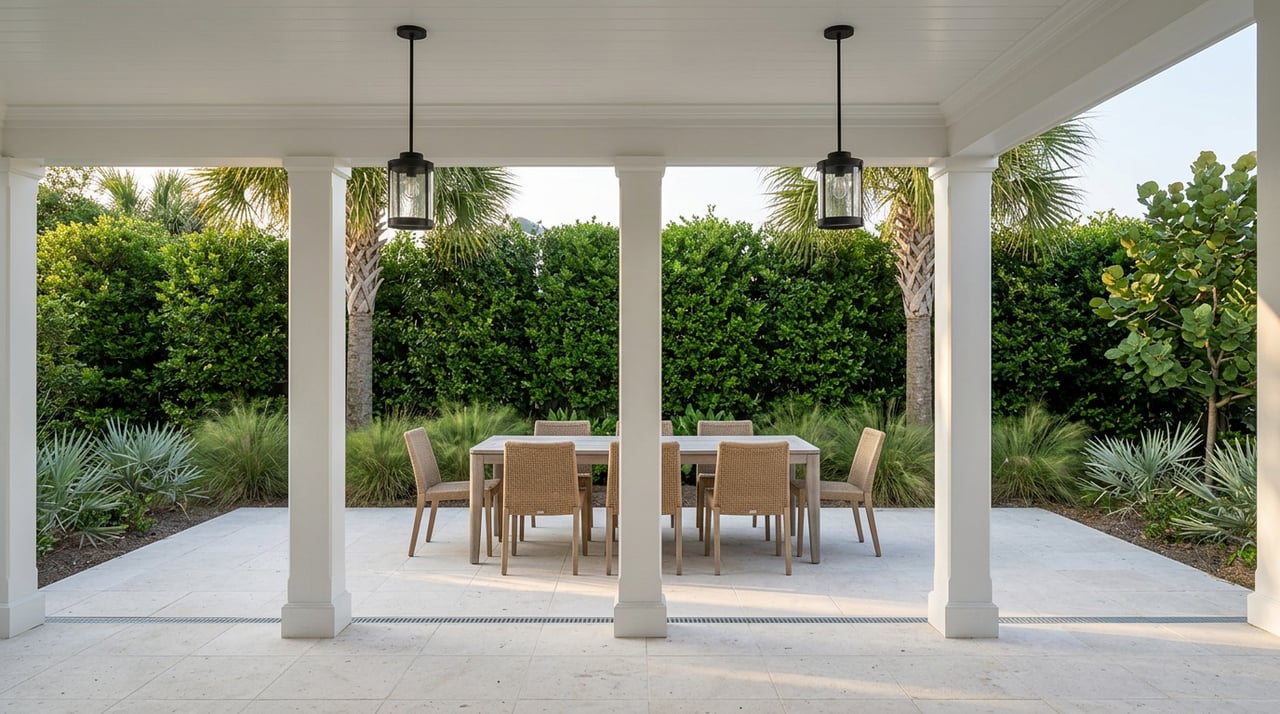
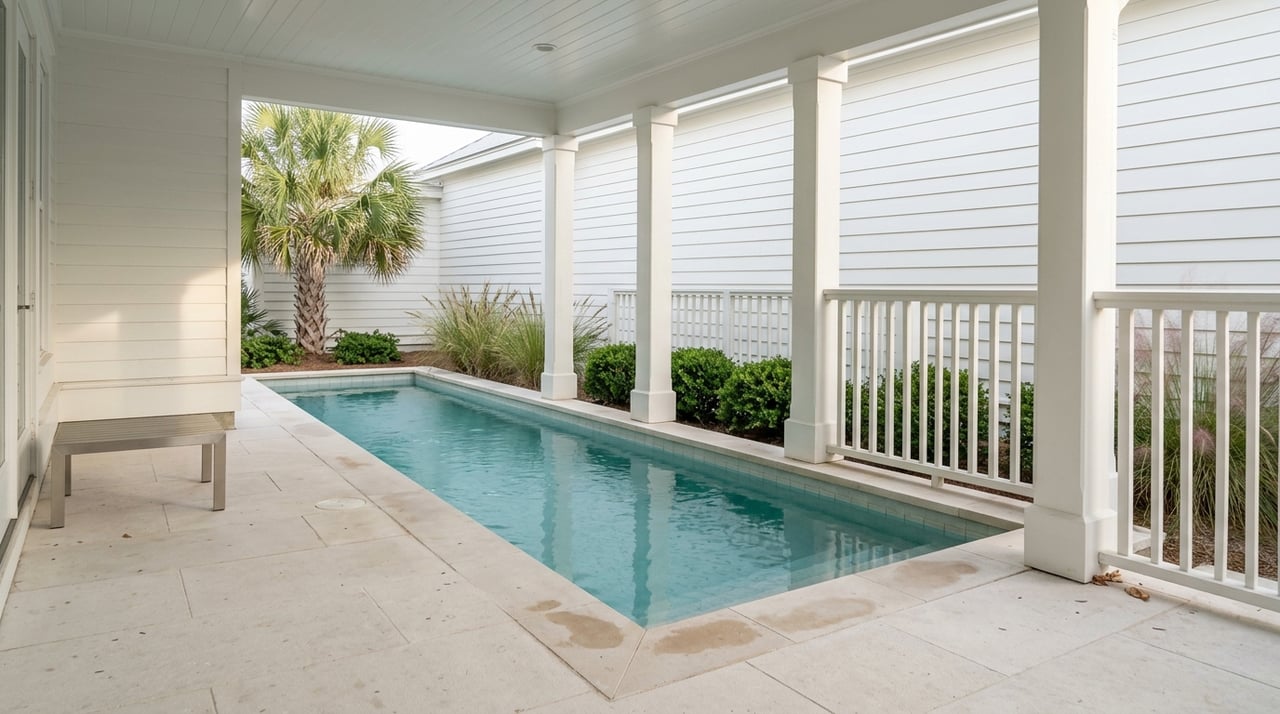
The community also includes four pools: Barbados, Sky, Cabana, and Coquina. Each adds a different option for the day, and the Sky Pool’s motorized roof helps with changing weather. The Cabana Pool includes a children’s area and playground, while the Coquina Pool sits close to the Gulf.
For longer stays, the ownership experience extends beyond the sand. The Owners Club features a heated pool and bocce court, the fitness trail runs 2.3 miles with four fitness stations, the fitness center is located on East Water Street, and the Racquet Club includes eight Har-Tru green clay courts with pro-shop and viewing deck support.
That range matters if you plan to spend more than long weekends here. A second home tends to work best when it supports a full routine, not just a vacation postcard version of one.
Town Center Adds Everyday Convenience
Rosemary Beach’s Town Center helps make the community practical for both short and extended stays. The official directory includes coffee, dining, retail, lodging, event space, a bank, spa, and real estate services. That gives owners everyday convenience within the neighborhood itself.
The Rosemary Beach Foundation also offers community events, cultural programs, and educational projects throughout the year. For buyers who want some activity and energy around them, that can add to the appeal. It supports the feeling that Rosemary Beach is not only a place to visit, but a place you can settle into.
Architecture Is Part of the Appeal
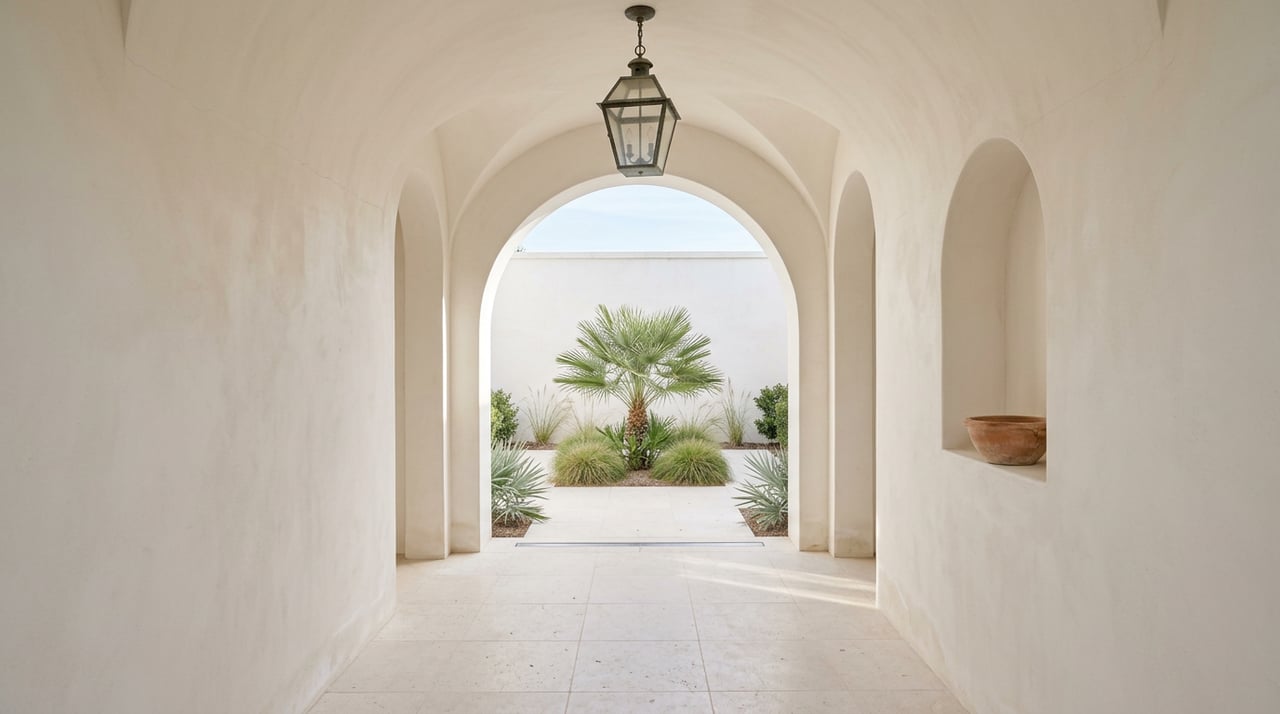
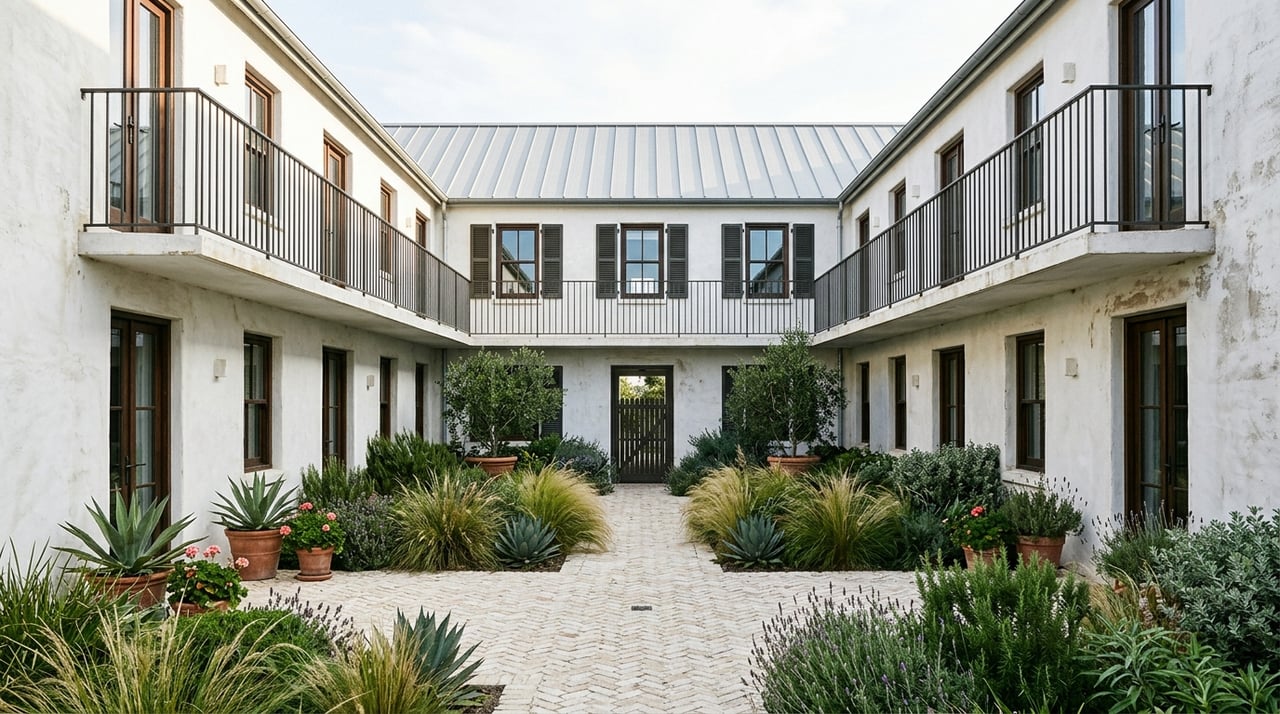
Rosemary Beach has a highly defined visual identity. The architecture draws from Dutch West Indies, New Orleans, and St. Augustine influences, with features such as white stucco, parapet roof details, elevated masonry bases, native landscaping, and a controlled color palette.
For many buyers, that consistency is a major advantage. It creates a strong sense of place and helps the town feel intentionally designed rather than pieced together over time. If you are drawn to communities with a cohesive look and a polished streetscape, Rosemary Beach tends to deliver that in a very recognizable way.
Governance Matters for Second-Home Buyers
Design consistency in Rosemary Beach is supported by the POA’s Code, which governs development, construction, maintenance, and design review. The association describes the Code as a protective document intended to preserve and enhance quality of life and safety.
This is an important fit question. If you appreciate structure, consistency, and oversight, you may see that governance as a benefit. If you prefer more exterior freedom or a looser ownership environment, Rosemary Beach may feel more regulated than other coastal options.
Beach Access and Guest Planning
If you plan to host family or friends, it helps to think beyond your own daily routine. Walton County’s beach access chart shows nearby Inlet Beach access points, including Inlet RBA Central, which has 50 parking spaces and restrooms. Wall Street #3 and Winston Lane #4 are also nearby, though those access points do not offer parking.
That does not make Rosemary Beach less appealing, but it does mean access logistics can vary. If guest convenience is high on your priority list, it is worth understanding which nearby access points are most practical during busier times.
How Rosemary Beach Compares on 30A
Rosemary Beach sits in a strong luxury peer group along Scenic Highway 30A. Visit Florida places it alongside communities such as Alys Beach and WaterColor among Walton County’s beachfront destinations. That makes it a meaningful option for buyers comparing top-tier second-home settings on 30A.
Still, each community offers a different ownership feel. Rosemary Beach is especially compelling if you want a compact, mixed-use village atmosphere with a clear architectural identity and a comfortable amenity base.
Rosemary Beach vs. Alys Beach
Alys Beach highlights a walkable Town Center, a Gulf-front Beach Club, Caliza Pool and Restaurant, the ZUMA Wellness Center and Racquet Sports Facility, and The Silva, with more than $100 million in luxury amenities. Buyers who want a more curated, amenity-heavy environment may find that appealing.
Rosemary Beach offers a somewhat different experience. It still provides walkability and strong amenities, but it leans more toward an active village feel than a highly formalized resort environment. If you want charm, daily ease, and a town-center rhythm, Rosemary may be the better fit.
Rosemary Beach vs. WaterColor
WaterColor was built with walking and biking in mind and includes a complimentary trolley. It also has 10 community pools, with access controls and wristbands for guests five and older. That can appeal to buyers who want a broader, more resort-programmed amenity network.
By contrast, Rosemary Beach feels more compact and centered. If your priority is being able to move around easily on foot within a tightly organized setting, Rosemary may feel more intuitive. If you want a larger amenity spread, WaterColor may deserve a closer look.
Who Rosemary Beach Fits Best
Rosemary Beach is often a strong fit if you want your second home to feel easy, polished, and ready to enjoy without much planning. It works especially well for buyers who value walkability, beach service, town-center convenience, and a distinct architectural setting.
It can also be a smart choice if you expect to split your time between short getaways and longer seasonal visits. The combination of pools, fitness options, racquet facilities, dining, and services creates more day-to-day usability than a beach community built around the shoreline alone.
When Rosemary Beach May Not Be Ideal
No community is the right fit for everyone. If your top priorities include maximum architectural flexibility or the largest possible amenity stack on 30A, Rosemary Beach may not lead your list.
Its design standards are more defined than in a looser coastal neighborhood, and other nearby communities may offer a broader resort-style amenity network. That is not a drawback for every buyer, but it is an important distinction if you are weighing several luxury second-home options.
The Bottom Line on Second-Home Fit
Rosemary Beach is a compelling second-home destination because it makes coastal ownership feel simple and intentional. You get a walkable town plan, beach and pool options, everyday convenience, and a strong sense of place that many buyers find hard to replicate elsewhere on 30A.
The key is matching the community to your lifestyle. If you want a second home where you can arrive, settle in quickly, and enjoy a compact village experience with a refined look and practical amenities, Rosemary Beach deserves serious consideration. If you are ready to compare Rosemary Beach with other 30A luxury communities at a neighborhood level, Diana Kish can help you narrow the options with local insight and concierge-style guidance.
FAQs
Is Rosemary Beach a good place for a second home?
- Rosemary Beach can be a strong second-home choice if you value walkability, beach service, defined architecture, and enough town-center convenience to support both short stays and longer seasonal visits.
What amenities does Rosemary Beach offer second-home owners?
- Rosemary Beach offers homeowner-and-guest beach service, four community pools, an Owners Club with a heated pool and bocce court, a 2.3-mile fitness trail, a fitness center, and a Racquet Club with eight Har-Tru green clay courts.
How walkable is Rosemary Beach for daily use?
- The community was planned so many destinations are about a five-minute walk apart, with the Town Center bringing together dining, shopping, parks, lodging, and services in a compact layout.
Does Rosemary Beach have strict design rules for homeowners?
- Yes. The POA’s Code governs development, construction, maintenance, and design review, which helps preserve the community’s visual consistency and overall character.
How does Rosemary Beach compare with Alys Beach and WaterColor?
- Rosemary Beach is generally more village-centered and compact, while Alys Beach presents a more curated luxury amenity environment and WaterColor offers a broader resort-style amenity network with more pools and a trolley system.