If you are drawn to Seaside, you are probably not just looking for a house near the beach. You are looking for a certain kind of daily life, one that feels walkable, connected, and thoughtfully designed from morning to evening. Owning here is less about claiming a stretch of sand and more about becoming part of a carefully composed coastal town. Let’s dive in.
Seaside living feels different
Seaside describes itself as more than a beachside community or a collection of vacation rentals. Official town materials frame it as a walkable, all-year New Urbanist town with more than 300 homes, along with restaurants, shops, and galleries.
That distinction matters when you think about ownership. In Seaside, your home is part of a larger setting shaped by public spaces, footpaths, porches, and a strong sense of town life. For many buyers, that is exactly the appeal.
Daily life centers on walking
One of the biggest differences you will notice in Seaside is how often you can leave the car behind. The town says its narrow streets are designed to promote slow driving and safety for walkers, while brick-paved roads and white-sand footpaths connect homes to the rest of the community.
Central Square plays a major role in that experience. Seaside notes that shopping and dining are within a five-minute walk of residences, which means your day can move easily from a beach walk to coffee, errands, lunch, or an evening out without much planning.
That creates a rhythm that feels more like a small town than a typical beach neighborhood. You may start with a morning walk, stop by the square, spend time on the beach, and end the day with dinner or an event nearby.
What that rhythm can include
Seaside’s event programming reinforces that year-round lifestyle. The Seaside Farmers Market takes place every Saturday in the Amphitheater, and recurring activities include beachside yoga, concerts, movies under the stars, and theater performances in green spaces.
The retail and dining mix also supports everyday convenience. Official town materials highlight places like Modica Market, Sundog Books, Bud & Alley’s, The Daytrader, Pickle’s Sandbar, and the Airstream Row merchants, all part of a compact and walkable setting near the beach and amphitheater.
For an owner, that means daily life can feel full without feeling complicated. Much of what makes Seaside special is close at hand.
Homes have variety and cohesion
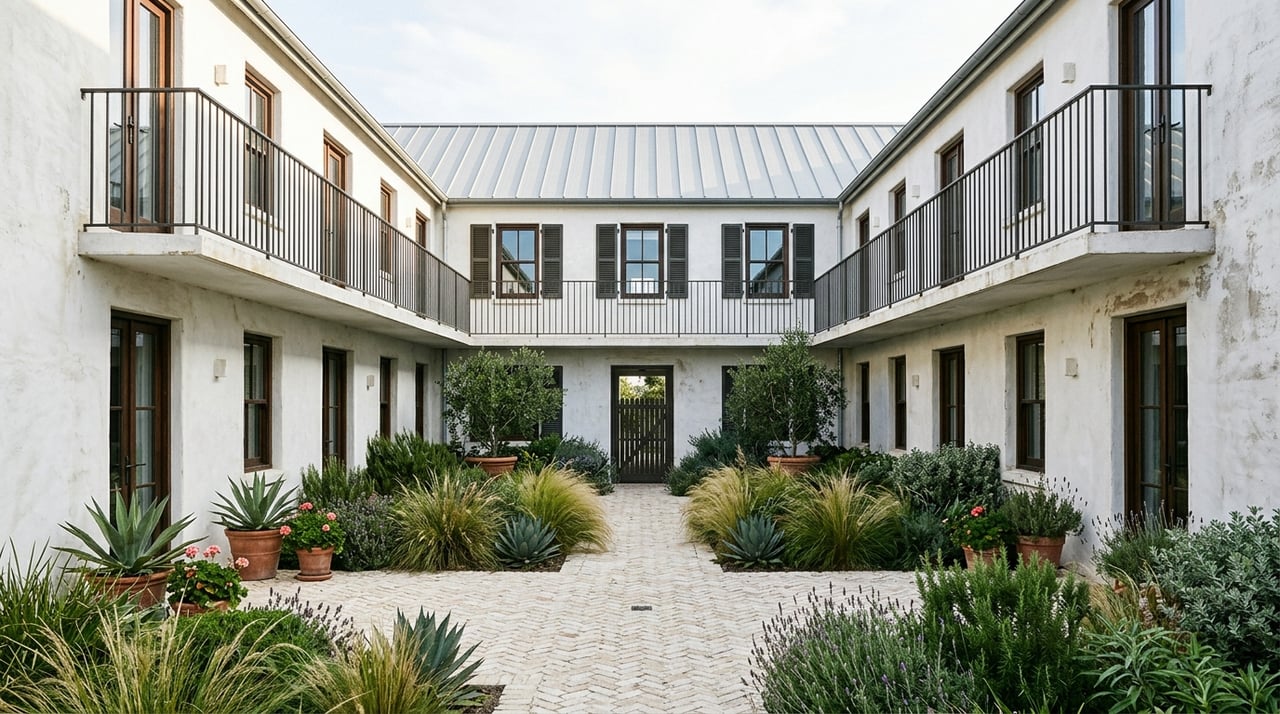
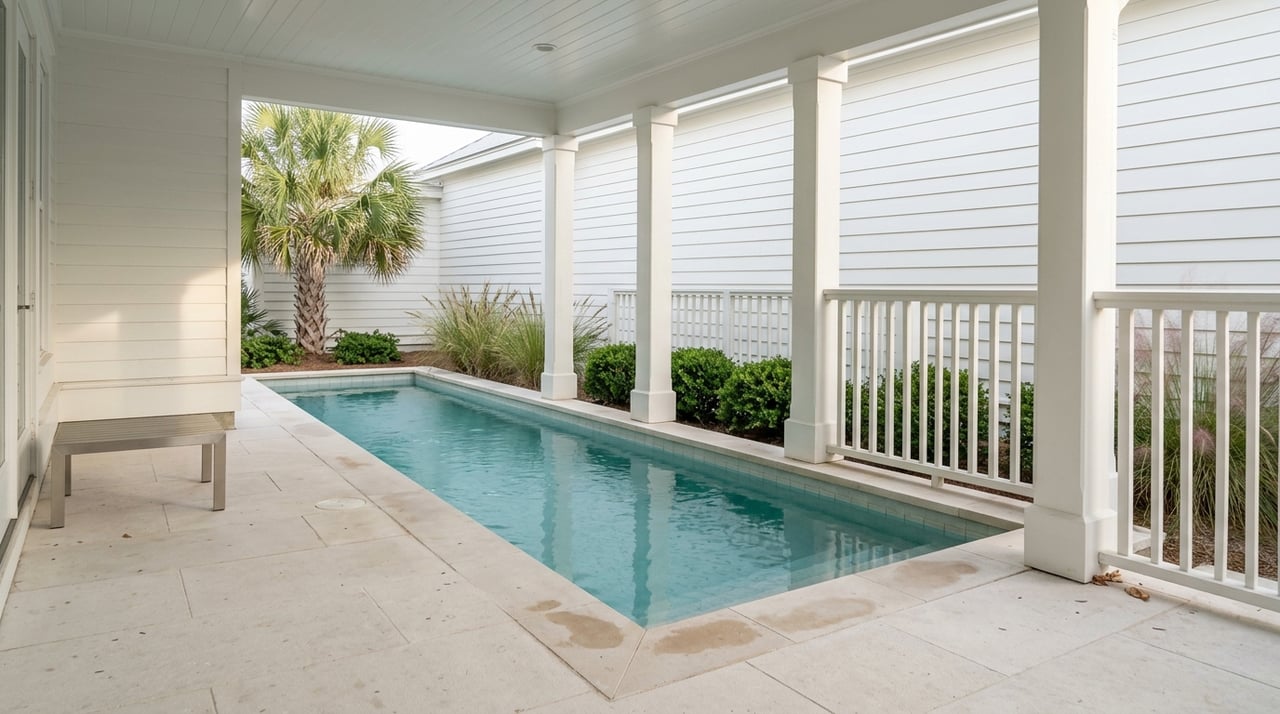
Seaside offers several property types, including Gulf-front residences, town center cottages, carriage houses, and multi-bedroom investment properties. Buyers have options, but the town’s visual identity remains remarkably consistent.
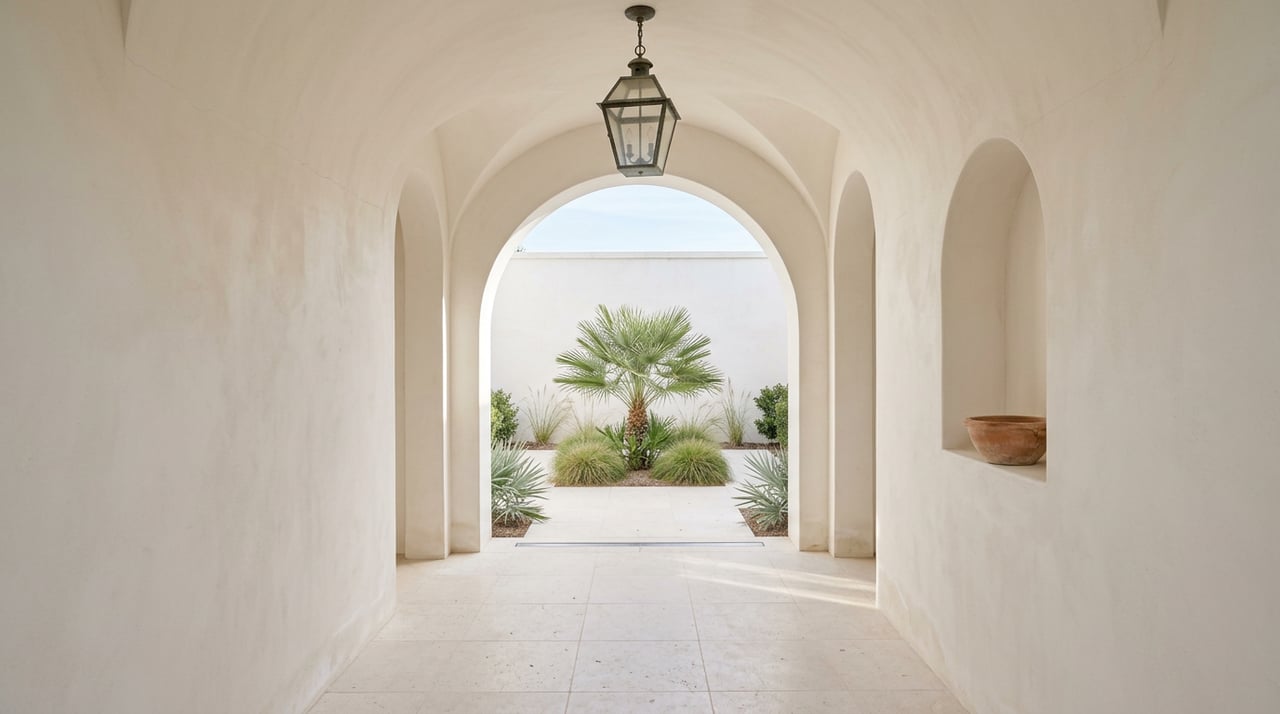
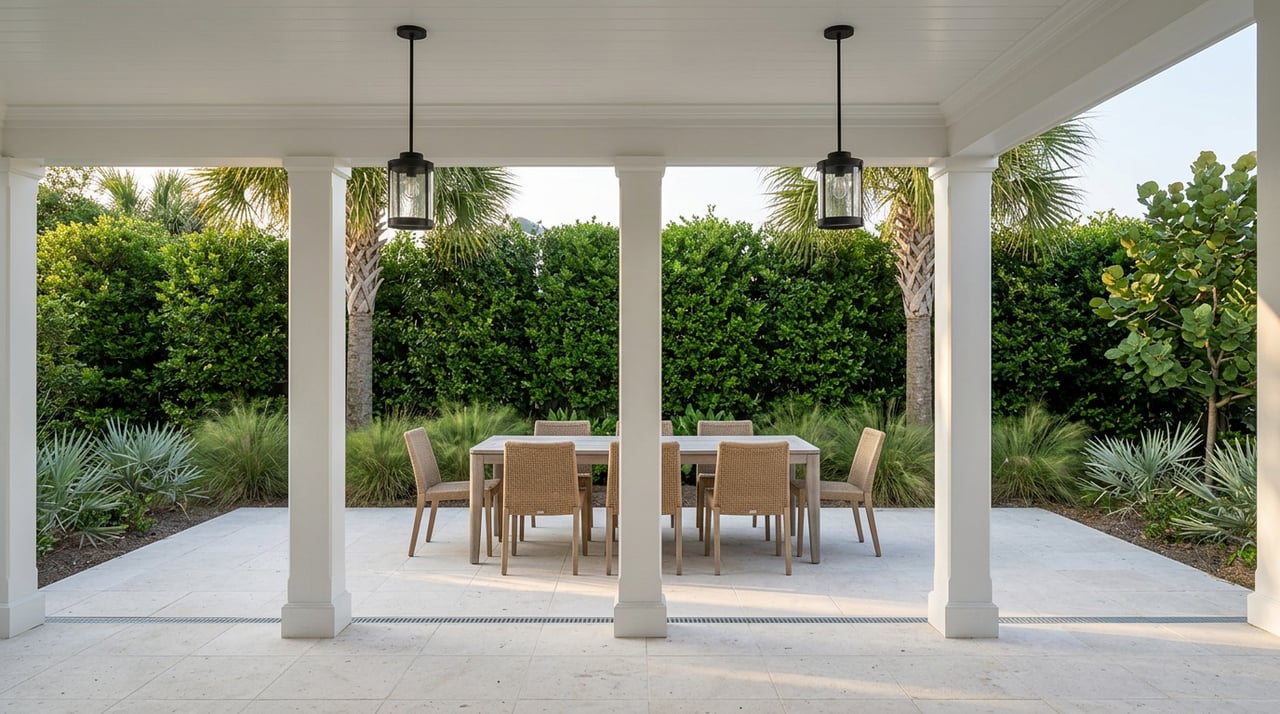
According to Seaside’s official materials, homes are unique from one another while still sharing defining neighborhood commonalities. The community emphasizes indigenous materials, local architectural traditions, front porches, native vegetation, and low-key landscaping that keeps the environment visually quiet.
That combination gives Seaside a polished but relaxed feel. Even when homes differ in scale or position, the streetscape tends to feel intentional and connected.
Why the design matters
In Seaside, the home is not fully separated from the public realm. The town’s planning framework and design language point to a community where architecture, porches, paths, and landscaping all contribute to the experience of walking through town.
For you as an owner, this often means buying into a visual and social order, not just a lot line. That can be a major benefit if you value continuity, thoughtful design, and a place that feels carefully maintained over time.
Ownership includes stewardship
Seaside has a strong culture of caring for homes across generations. Town features note that some early cottages need updating and are being refreshed or renovated, while other homes are passed down through families instead of being sold.
That says a lot about the community. Ownership here can feel long-term and personal, with an emphasis on preserving what makes the town distinctive rather than constantly reinventing it.
For buyers who appreciate legacy, architecture, and continuity, this is often an important part of Seaside’s appeal. You are not just purchasing in a popular coastal location. You are stepping into a place with an established identity.
Beach access is organized
A common question from buyers is how beach access works. In Seaside, access is organized rather than casual.
According to the town’s FAQ, each rental street has its own pavilion, and beach access can depend on location and HOA rules. The Coleman Pavilion serves as the central beach access point, and public access is available through Cabana Man reservations.
That structure is helpful to understand before you buy. Depending on the property you choose, the details of beach access may shape how you, your guests, or renters use the home.
Parking is part of the system
Seaside is designed to feel pedestrian-friendly, but that does not mean cars disappear. The town uses managed parking and a complimentary shuttle to improve the visitor experience and reduce congestion.
For owners, that helps support the car-light atmosphere many people want here. It also means you should expect more structure around parking, especially during busier seasons when town center activity increases.
This is part of what makes Seaside work at a high level. The systems behind the scenes help preserve the experience people come here for.
Rentals are built into the ecosystem
If you are considering occasional rental income, Seaside has an established framework. Homeowner’s Collection is described as Seaside’s exclusive rental company, owned by participating cottage homeowners, with a portfolio of more than 190 private homes.
That does not mean every owner uses the same approach, but it does show that rentals are part of the town’s ownership landscape. For buyers who want flexibility between personal use and guest stays, that built-in structure can be meaningful.
It also reinforces a broader point. Seaside ownership often involves participation in a managed community, not just possession of a home.
Who tends to love Seaside
Seaside tends to resonate with buyers who want more than proximity to the Gulf. It often suits people looking for a design-conscious coastal setting with a strong public life, a walkable layout, and a sense of continuity from one generation to the next.
The town and the Seaside Institute place real emphasis on architecture, planning, and community life. The Seaside Institute describes Seaside as a living laboratory, and the annual Seaside Prize recognizes work in architecture, urban planning, and community development.
That cultural layer gives the town unusual depth. If you value the idea that place design shapes everyday life, Seaside may feel especially compelling.
Questions to ask before buying
Before purchasing in Seaside, it helps to think beyond square footage and finishes. The most useful questions are often about how you want to live in the home and how closely that lifestyle matches the town’s structure.
Consider asking:
- Do you want to walk to dining, shops, and events on a regular basis?
- Would you enjoy a community with visible design standards and a cohesive streetscape?
- How important is beach access location for your day-to-day use?
- Are managed parking systems a fair trade for a more walkable town environment?
- Do you want a home that may also function as a rental or guest property?
These are the kinds of details that shape satisfaction over time. In Seaside, lifestyle fit matters just as much as the home itself.
The ownership experience in one phrase
If you had to sum up Seaside ownership in a single idea, it would be this: you are buying into a town experience, not just a beach house.
The walkability, architecture, events, retail core, access systems, and stewardship culture all work together to create a place with a strong identity. For the right buyer, that identity is exactly what makes owning in Seaside so rewarding.
If you are considering Seaside or comparing it with other 30A communities, local guidance can help you weigh not just inventory, but how each setting aligns with your lifestyle and ownership goals. To explore the Seaside market with a local perspective, connect with Diana Kish.
FAQs
What is daily life like for homeowners in Seaside?
- Daily life in Seaside is centered on walking, with residences near Central Square, the beach, dining, shops, and recurring events like the farmers market, yoga, concerts, movies, and theater.
What types of homes are available in Seaside?
- Seaside’s official real estate materials list Gulf-front residences, town center cottages, carriage houses, and multi-bedroom investment properties.
How walkable is Seaside for full-time or second-home owners?
- Seaside is designed for pedestrian life, with narrow streets, brick-paved roads, white-sand footpaths, and shopping and dining within a five-minute walk of residences.
How does beach access work for Seaside homeowners?
- Beach access in Seaside is organized by pavilion and can depend on a home’s location and HOA rules, with Coleman Pavilion serving as the central beach access point.
Can Seaside homeowners rent out their homes?
- Yes, rentals are part of the Seaside ownership landscape, and Homeowner’s Collection is the town’s exclusive rental company with a portfolio of more than 190 private homes.
What makes owning in Seaside different from other beach communities?
- Seaside ownership stands out for its all-year town atmosphere, strong design standards, walkable layout, managed access systems, and emphasis on stewardship and continuity.