Trying to choose between Watersound and Rosemary Beach for a luxury home on 30A? You are not alone. Both communities deliver beautiful architecture, beach access, and a coveted Emerald Coast lifestyle, but they do it in very different ways. In this guide, you will see clear side‑by‑side differences in pricing, product types, amenities, and rental rules so you can invest with confidence. Let’s dive in.
Snapshot: how these markets differ
Rosemary Beach at a glance
Rosemary Beach is a compact, design‑driven village that is largely built out. Its limited land and walkable town core help support premium pricing and strong resale. Realtor.com reports a neighborhood median sale price of $2,495,000 and a median price per square foot of $1,345 for the reporting period of December 2025. The combination of scarcity, walkability, and established retail and dining in the town center creates a distinct village lifestyle that many buyers value.
Watersound at a glance
Watersound is a broader master‑planned environment developed by The St. Joe Company with multiple sub‑neighborhoods, a growing town center, and a private club offering. The mix spans beach‑adjacent condos, cottages, single‑family homes, and custom gulf‑front estates, along with newer inland neighborhoods such as Watersound Origins. Recent community snapshots show Watersound Origins with a median sale price near $999,900, average pricing around the mid‑$400s per square foot, and a median days on market near 125 based on early 2026 neighborhood guide updates. Entry points for new construction are often lower than Rosemary, while prestige gulf‑front properties in Watersound can reach into the multimillions.
Planning and place: why the feel is different
Rosemary Beach’s village core
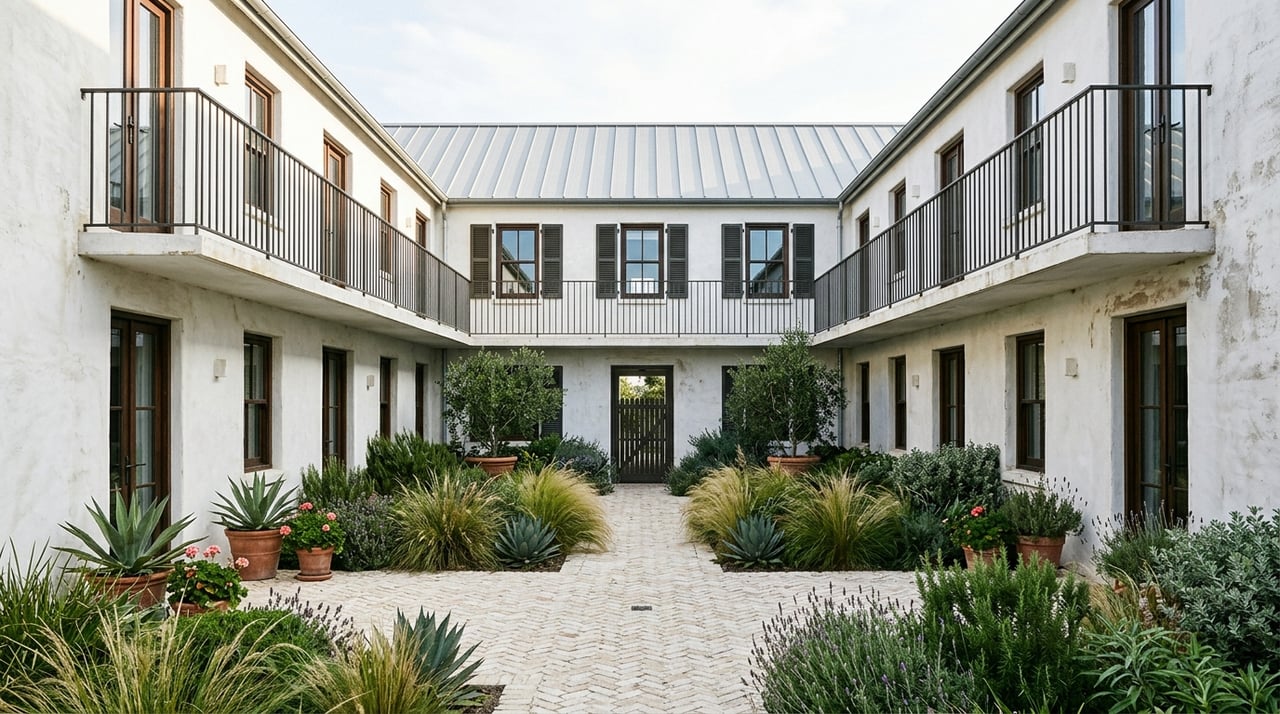
Rosemary was master‑planned in the late 1990s with a compact footprint, tight blocks, cobblestone lanes, courtyards, and European‑influenced detailing. The town center blends shops, restaurants, green spaces, and community services within short walks of most homes. That walkability is central to the lifestyle and helps explain the persistent premium. The footprint is intentionally limited, which constrains new supply and supports pricing power over time.
Learn more about the design vision and POA‑managed services on the official site for the community. You can also read local commentary noting Rosemary’s built‑out footprint and unique identity through the Rosemary Beach Society’s updates.
- Explore the community overview: Rosemary Beach Property Owners Association
- Read context on the town’s limited footprint: Rosemary Beach Society blog
Watersound’s master‑planned scale
Watersound brings a larger canvas with multiple neighborhoods and a growing town‑center model. The St. Joe Company curates residential, hospitality, and retail elements across the community, which allows for a wide range of home types and price points. Architectural styles vary by sub‑neighborhood, from coastal‑contemporary cottages to custom gulf‑front estates. The Town Center is adding retail and services intended to serve several Watersound neighborhoods, with new tenants announced as the area grows.
- See the master‑planned vision: Discover Watersound
- Neighborhood overview: Watersound Origins
- Town Center growth news: Watersound Town Center leasing update
Beach access and amenities
Rosemary Beach: POA‑managed beach experience
Rosemary’s POA manages beach services, events, and access for owners and guests. That central management helps preserve the town’s walkable, village feel from home to beach. If you plan to rent your home, confirm what services are included with POA dues and which are fee‑based. The property’s location within the village and proximity to greens and the town center can influence both lifestyle and rental appeal.
- Owner and guest services: RBPOA amenities and beach information
Watersound: private club model
Watersound’s amenity set is anchored by the Watersound Club, a private membership experience with a beach club, golf, pools, dining, and programming. Membership terms, eligibility, and transferability vary by property, so you should verify whether a specific home conveys club privileges. Many rental listings in the area note that Watersound Beach Club access is for members only, and day passes are not offered to the general public. The membership structure can materially shape your personal use and any guest experience.
- Review the club environment: Watersound Club
What you get for the price
Rosemary Beach pricing signals: Published neighborhood data for December 2025 shows a median sale price of $2,495,000 and a median price per square foot of $1,345. Interior and courtyard homes often trade in the mid‑to‑high millions, while gulf‑front estates can reach double‑digit millions depending on size and location. Inventory is limited, and market speed can vary seasonally.
Watersound pricing signals: Watersound spans several sub‑markets. Watersound Origins often serves as a more attainable entry to the Watersound lifestyle, with a recent median near $999,900 and average price per square foot around the mid‑$400s based on early 2026 guidance. Closer to the Gulf, custom homes and gulf‑front properties command higher pricing that can rival or exceed other luxury segments on 30A.
Product variety: Rosemary offers courtyard homes, carriage houses, townhomes, interior single‑family, and prestige gulf‑front addresses within a tight footprint. Watersound offers condos, cottages, single‑family, and custom homes across multiple neighborhoods, along with an active new‑construction pipeline that supports different buyer goals.
Ownership, rentals, and ongoing costs
Short‑term rentals: rules you must know
Walton County requires a Short‑Term Vacation Rental Registration for rentals in unincorporated areas such as Watersound and many 30A neighborhoods. Registration is annual and includes fees, occupancy and parking rules, and compliance standards. This county requirement is separate from any HOA or POA restrictions, which can be more or less strict depending on the neighborhood. If you plan to rent, confirm both the county steps and the exact HOA rules for your specific property.
- County program details: Walton County Vacation Rental Certification Program
HOA, POA, and club dues
Recurring costs differ by community and even by sub‑neighborhood. In Rosemary, POA dues fund town services and beach operations that shape the owner and guest experience. In Watersound, you may encounter HOA dues plus optional or required club membership fees for certain properties. Always request the latest HOA/POA documents and, for Watersound, the current club membership agreement and fee schedule so you have a full picture of ownership costs.
- Rosemary owner services: RBPOA
- Watersound club overview: Watersound Club
Taxes and insurance
Property taxes vary by parcel based on assessed value, exemptions, and local millage rates. Insurance is a key consideration for coastal homes, including wind and hurricane coverage and, if applicable, flood insurance for properties in FEMA flood zones. Newer construction can include wind‑mitigation features that may help with premiums, while older properties may present different risk profiles. Secure quotes early in due diligence so you can compare properties on equal terms.
Buyer checklist: Rosemary vs Watersound
Use this framework to make an apples‑to‑apples comparison and avoid surprises.
- Define lifestyle first. Decide whether you prioritize a walkable village core with built‑in retail and dining (Rosemary) or a private club and larger community with a range of neighborhoods and amenities (Watersound). Preview community details at the RBPOA and Discover Watersound sites.
- Verify short‑term rental path. Confirm county registration requirements and fees through Walton County. Then request the recorded HOA/POA covenants for the exact property to confirm rental allowances, minimum stays, and any caps.
- Confirm beach and amenity access. If a Watersound property interests you, ask whether club membership is required or optional, and whether rights transfer at closing. Request the current membership agreement and fee schedule from the Watersound Club. In Rosemary, review POA services and what dues cover via the RBPOA.
- Compare true market value. Ask for 6 to 12 recent comparable sales that match your product type, such as a courtyard home in Rosemary or a cottage in Watersound Origins. Use neighborhood metrics as helpful context, then lean on verified MLS comps and contract specifics to set offer strategy.
- Model ownership costs. Line up realistic insurance quotes, estimate utilities and maintenance, and verify HOA/POA and, if applicable, club dues. If you plan to rent, obtain 12 to 24 months of rental statements from sellers and build a monthly cash flow model that includes seasonality and management fees.
- Test daily life. Spend time in each location during peak and shoulder seasons. Walk from home sites to the beach, town squares, and services in Rosemary. In Watersound, drive and bike the Town Center and neighborhood network to confirm how you will use club amenities and retail.
- Document review and risk checks. Request HOA disclosure packets, reserve studies, and any pending special assessments. Ask for elevation certificates and wind‑mitigation reports to keep insurance comparable across properties.
Which is right for you?
Choose Rosemary Beach if you want a built‑out, highly walkable village and accept the premiums that come with scarce supply. You get a strong identity, centralized services, and a lifestyle that is easy to enjoy without a car. If rental income matters, many properties in Rosemary are actively run as vacation rentals, which can support strong gross revenue for premium locations and finishes.
Choose Watersound if you want a newer home selection, access to a private club environment, and a broader range of price points within one master‑planned brand. Watersound Origins can be an attractive entry to the lifestyle, while Watersound Beach and gulf‑front enclaves deliver prestige properties at the top of the market. Just make sure you understand the specific HOA rules and any membership requirements tied to the home you choose.
Ready to compare on the ground and see what best fits your goals on 30A? Reach out to schedule a private tour and a data‑backed market briefing tailored to how you plan to use your home. Connect with Diana Kish for a complimentary consultation and a curated list of opportunities.
FAQs
What are the key pricing differences between Rosemary Beach and Watersound?
- Rosemary’s December 2025 neighborhood data shows a median sale price of $2,495,000 and $1,345 per square foot, while early 2026 guidance for Watersound Origins shows a median near $999,900 and mid‑$400s per square foot.
How does beach access work in each community?
- Rosemary’s POA manages owner and guest beach access and services, while Watersound beach access often connects to the private, membership‑based Watersound Club experience.
Can I run a short‑term rental in Watersound or Rosemary Beach?
- It depends on the specific neighborhood and HOA rules, and Walton County requires a rental registration; always confirm HOA covenants and complete the county process before operating.
Is Watersound Club membership required to buy a home in Watersound?
- Membership requirements vary by sub‑neighborhood and listing; verify if a property conveys or requires membership, and review the current membership agreement and fee schedule.
Why is Rosemary Beach typically more expensive per square foot?
- Rosemary’s compact, built‑out footprint and walkable town center create scarcity and strong demand, which support higher price per square foot relative to many larger 30A communities.
What due diligence should I complete before making an offer?
- Gather recent MLS comps for your exact product, review HOA/POA and, if applicable, club documents, confirm rental rules and county registration steps, and obtain insurance quotes with the same assumptions for each property.